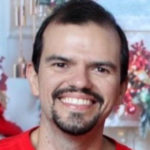
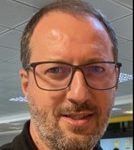
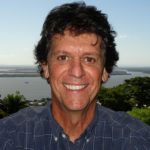
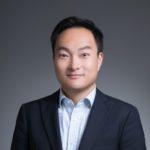
|
|
Radio |
Room 1
Is the Future of Radio in the Networks?
The increase in the number of affiliates to Radio networks has been a phenomenon in high expansion in recent years.
The migration from AM Radio to FM and the Radio Networks of the Amazon region, with the preservation of local content, opened up possibilities for the networks’ brands.
Quality, national and local journalistic content, in addition to advertising optimization, favor its growth.
Come and get to know the subject more closely with the network executives in the panel moderated by Daniel Starck.
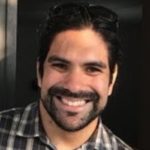
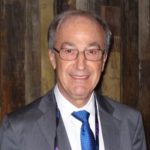
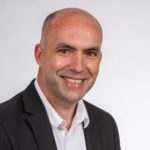
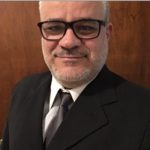
Moderator: Eduardo Cappia, SET Board Member and EMC Director
JOSE EDUARDO MARTI CAPPIA – Graduation 1979 from the University of Mogi das Cruzes. Electrical Engineer with qualification in: Electronics and Electrotechnics. Specialist in FM radiant systems, measurement and coverage.
Director of the Company EMC – TELECOMMUNICATIONS SOLUTION since 1991
EMC – distinguished company for the implementation of Digital Radio tests at UFMG – Belo Horizonte, in partnership with the Ministry of Communications. Technical Responsible for HD Radio tests in Cordeirópolis – SP and DRM in Belo Horizonte, focusing on low power stations. Evaluation and defense of a thesis with IBiquity in the USA, on the coexistence of digital broadcasters in the first adjacent FM channels.
Implementation in 2014 of a scientific and experimental test station in eFM – 84.7 MHz – Jovem Pan – São Paulo with the support of AESP- ASSOCIAÇÃO DAS RADIO AND TELEVISION IN THE STATE OF SAO PAULO, where it acts as leader of the Technical Committee since 2011 having been renewed in its performance until 2023.
Board of Directors / Council SET – TELEVISION ENGINEERING SOCIETY – since 2011.
Author of articles in columns and websites for the dissemination of the sector and thematic works on spectral efficiency, with support for measuring diagrams of radiating antennas and their effective gains.
Active participation in Regulatory Groups and Discussion of Standardization of the Sector, acting in the Migration process from Radio AM to FM since 2009, (MCTIC and Anatel (Mosaico)).
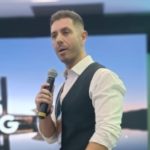
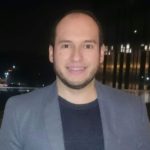
C0-moderator: Daniel Starck - Director at tudoradio.com
Daniel Starck is a journalist, entrepreneur and owner of tudoradio.com. With 20 years on the air, it is the largest Brazilian portal dedicated to broadcasting. He has a degree in Social Communication from PUC-PR. He had stints on radio stations such as CBN, Rádio Clube and Rádio Paraná. He works as a consultant and speaker in the artistic and digital areas of radio, having participated in events promoted by leading associations for the sector, such as AESP, ACAERT, AERP and AMIRT. He also has knowledge in the technology area, with an emphasis on applications, programmatic media, new devices, websites and streaming.
Speaker: Carlos Aros - Content Director | Rede Jovem Pan News
Content Director of Rede Jovem Pan News, journalist specialized in Technology and Innovation, executive editor of MIT Technology Review Brazil.
Speaker: Luiz Benite - General Director at Massa FM Network
Advertiser with a postgraduate degree in Marketing. Created the expansion model for Rede Massa FM, the second largest radio network in Brazil and leader in several markets.
He created and expanded Radio Network formats such as Rede Transamérica Hits. He was Director of Rede Band FM Santa Catarina and Top FM São Paulo
Speaker: Jean Pierre Zanetti Vandresen - Technical Manager at Grupo Bandeirantes de Comunicação
With a systemic, dynamic vision, project management, processes and execution, in the search for the best solutions with quality and results for the company. Development of OPEX and CAPEX of operations. Training in technical, engineering and certifications in networks (IT), focusing on audio and IP systems in radio and television stations. In the last 21 years, leading two large radio networks, such as Grupo RBS and Grupo Bandeirantes, leading teams in the engineering and internal and external operations, developing projects and solutions with manufacturers and suppliers, especially studios and central of Rádio Gaúcha and AoIP in Grupo Bandeirantes, in addition to planning and executing national events of all sizes and international events (4 World Cups, 3 Olympics, 3 Copa America, Champions League, Club World Cup, Panamericano, F1) between other sporting, entertainment or news events.
|
|
|
Connectivity |
Room 2
Challenges of Deploying TVRO in Ku Band
To mitigate the potential interference of the 5G cellular technology signal in the Band C range, a program was created to migrate domestic satellite dish receptions from Band C to Ku Band, part of this migration being supported with resources from the 5G auction. Mainly considering the deadlines defined in the 5G entry schedule, this program has a major technical and operational challenge in the uplink of the TVRO signal in a new MCPC (Multiple Channels per Carrier) transmission system in Ku Band, the challenge of specification, purchase, manufacture , supply and installation of a kit of receivers for families that are part of the social programs of the federal government (CadÚnico), and also the challenge of adapting the software of the legacy domestic receivers base but with the ability to migrate band along with the new models.
With a technological focus, we will understand the details of this program with representatives of EMBRATEL/CLARO, EAF – Entity Administering the 3.5GHz Band created to manage this process and which operates under the brand Siga Antenado – and the participation of a manufacturer of Home Receivers .
Chair: Claudio Borgo – Video Engineering Director - Claro
Speaker: Guilherme Saraiva - Sales Director - Embratel
Guilherme Saraiva is the commercial director for the Media and Satellite segments at EMBRATEL, where he supports clients in the development of their business in the physical and digital worlds. In Grupo Globo he acted as CTO of Telecine, where he launched the streaming platform Telecine Play. He was technology planning manager at Globosat during the migration of channels to HD and the launch of OTT digital products.
He led NET’s marketing and corporate products area, participating in the launch of broadband internet services. He coordinated British Telecom’s expansion plan in Latin America, collaborating on digital inclusion projects in several countries.
Telecommunications engineer from IME, with an MBA in marketing from FGV, Master in Finance from FGV and an MBA in Data Science from PUC-RJ.
Speaker: Antonio Parrini – Director of Operations - EAF
Antônio Parrini has almost 30 years of professional experience, all of them in Telecom. The last 8 years were as C-level Executive in tower companies such as BR Towers (COO), Centennial (CEO) and Phoenix Tower (VP). Before that, he worked for telecom operators such as ATL (before being acquired by Claro), Oi and GVT (before being acquired by Vivo).
At Oi, he was Director of Networks and Operations, in the Fixed and Wirelles divisions, for almost 10 years. He participated in several startups, such as Oi Mobile (employee #3) and BR Towers (employee #2). He is a telecommunications engineer with a degree from Universidade Federal Fluminense and an MBA from COPPEAD UFRJ business school.
Speaker: Marcio Cauduro – Business and TV Products Manager - Elsys
Executive with more than 20 years of experience in strategy, management, development and launch of Products and Services working in Telecom Operators, Startups, Electronics Industry and Service Providers. Acting in different Technology markets such as TV, Internet, Mobile Applications and database search engines. Building technological and commercial partnerships with local and international partners to offer customized products.
Computer Engineer from UNICAMP with a postgraduate degree in Business Administration from FGV/SP and an MBA from IE Business School – Spain.
|
|
|
|
Room 1
SET Express | Radio
Chair: Ronald Almeida - Technical Manager – Engineering | O Povo – Communication Group / Representative SET Nordeste
Engineer with more than 17 years of experience in Broadcasting, working for TV, radio and web portal stations. Developing activities related to Telecommunications, Engineering and IT. Acting mainly in management, planning, maintenance, implementation of new projects, among others.
Director of External Relations of ACERT – Ceará Association of Radio and Television Broadcasters (2nd Biennium)
Worked in the operation and technical implementation of affiliated stations of TV Cultura, Canal Futura, SBT and Band, radios CBN, Nova Brasil and Globo, in the city of Fortaleza/CE.
Radio Year 101 – Relevance for generating new business
130 million people consume some type of audio in Brazil.*
Consumption is broad and ranges from the housewife’s radio to the mobile application of a multinational executive
There is nothing to question about the strength of radio communication in the country.
The growth in the consumption of podcasts further reinforces the relevance of the radio medium with the possibility of on-demand distribution.
Investment in the sector increases with programmatic digital media and the migration from AM.
Why then does a small group of broadcasters take most of the advertising budget?
The 10 broadcasters that earn the most in the Brazilian market are those that customize their programming and focus on specific audiences.
All of them have a niche programming and audience profile, which gives them a repertoire to compete in the market with other media.
In these stations, the sponsor is a partner within a business project. The relationship with sponsors must always be long-term.
The audience is increasingly personalized. It’s not a matter of the number of listeners, but the type of listener the market wants to talk to.
The difficulty in the medium is precisely in seeking this customization since 3 out of 5 radio stations in the country broadcast exactly the same type of content. The discussion is no longer on which device we are going to deliver the content, but what we are going to deliver to our listener.
Speaker: Juliana Paiva - Partner-director Radiodata
Experience in production audio and video content. Management of integrated projects for media companies with an emphasis on expansion and consumption for companies such as Rádios CBN and Globo, CNN Rádio/Rede Transamerica, UOL, Nova Brasil and Antagonista.
I have more than 20 years of experience in audio, with stints on Jovem Pan, CBN and Rádio Globo radio stations.
The audience relationship management as key to modern radio success
Since its origins, radio has sought to deliver relevant content to its audience. In most of its centenary in Brazil, interaction with listeners was essentially one-way. As it is a mass medium, programming sought to reach the maximum number of listeners and feedback from surveys gained strength from the 1940s onwards. In the advertising context, radio shared the audience and the total media budget with only a few players.
In the last 15 years, significant changes in technology have transformed people’s behavior and expectations, increasing their power of choice and the way they consume, interact and engage with content and advertising. Some of the factors that contributed the most: the arrival of smartphones; the expansion of internet access; the rise of streaming services and the boom of social networks.
The wide range of options and the ease of access on demand require radio stations to think of new formats to connect listeners to programming and brands.
At the same time, the evolution of technology and marketing brought new metrics for ROI analysis, which made negotiating contracts and presenting results/campaing check more complex.
Giants like Netflix, Amazon, Meta and Google have invested in getting to know their customers in depth to deliver more results. Radio broadcasters needs to follow along.
Actions, tools and options to qualify the audience and turn other media into allies are the focus of this lecture.
Speaker: Carolina Sasse - Partner and Director of Marketing and Sales - Cadena
Carolina Sasse has a degree in Business Administration and is currently Marketing & Sales Director at Cadena, a company for over 20 years providing software solutions for management, automation and audience intelligence for radio stations.
Since 2007, she has been in contact with thousands of radio professionals throughout Brazil to learn more about their routines, daily challenges and how to help them simplify processes, increase listeners’ engagement and sales of radio and its advertisers, with tools and content. She believes in the power of radio to connect people and brands.
She worked for 10 years in Quality and Customer Success in Brazil & Latin America leading teams and projects.
She has already spoken at the main events in the field, such as SET EXPO 2018, ACAERT Congresses 2018/2022, Regional Seminars and Meetings SERT/SC 2016-2022, AESP Talks, Regional Meetings and Lives from AMIRT and AESP, Fala Norte and Nordeste.
In addition to being a guest columnist for TudoRadio.com, she periodically provides content and lives with radio experts at Cadena’s blog and YouTube channel.
She regularly participates in Radio and Marketing events like NAB Show, RD Summit and other.
How programmatic media puts Radio in tune with the advertising market
Speaker: Thiago Fernandes - founder of Nextdial
Thiago Fernandes, founder of Nextdial (@nextdialbr), a technology startup that is making life easier for radio professionals, agencies and advertisers. He was a Microsoft Evangelist and holds a degree in Computer Science, an MBA in Software Engineering from ITA and a specialization in Marketing from ESPM.
|
|
|
Radio |
Room 1
Radio 100+ The Media, the Listener and the Business
Completing 100+ years in Brazil, radio is undergoing continuous transformation. Its adaptability and agility make it always contemporary, incorporating new technologies and new properties. Today’s radio is a digital and amplified mix of audio content. Reinventing itself every day, the radio of the future will be an even better version than the current one.
In this panel, we will discuss the current landscape of cross-platform audio content represented by radio, podcasts and streaming. We will also discuss the process of digital transformation that is imposed as a change strategy and that has an impact on the business model, customer relationships and user engagement (the listener inserted in a broader context).
Moderator: Eduardo Cappia, SET Board Member and EMC Director
JOSE EDUARDO MARTI CAPPIA – Graduation 1979 from the University of Mogi das Cruzes. Electrical Engineer with qualification in: Electronics and Electrotechnics. Specialist in FM radiant systems, measurement and coverage.
Director of the Company EMC – TELECOMMUNICATIONS SOLUTION since 1991
EMC – distinguished company for the implementation of Digital Radio tests at UFMG – Belo Horizonte, in partnership with the Ministry of Communications. Technical Responsible for HD Radio tests in Cordeirópolis – SP and DRM in Belo Horizonte, focusing on low power stations. Evaluation and defense of a thesis with IBiquity in the USA, on the coexistence of digital broadcasters in the first adjacent FM channels.
Implementation in 2014 of a scientific and experimental test station in eFM – 84.7 MHz – Jovem Pan – São Paulo with the support of AESP- ASSOCIAÇÃO DAS RADIO AND TELEVISION IN THE STATE OF SAO PAULO, where it acts as leader of the Technical Committee since 2011 having been renewed in its performance until 2023.
Board of Directors / Council SET – TELEVISION ENGINEERING SOCIETY – since 2011.
Author of articles in columns and websites for the dissemination of the sector and thematic works on spectral efficiency, with support for measuring diagrams of radiating antennas and their effective gains.
Active participation in Regulatory Groups and Discussion of Standardization of the Sector, acting in the Migration process from Radio AM to FM since 2009, (MCTIC and Anatel (Mosaico)).
Co-moderator: Marco Moretto - Director at Rádio HOT107 FM and Member of the Board of Directors of AESP
Marco Moretto started his radio activities in 2006, still as a child, at the age of 12. Integrated into the medium, he became professionalized and specialized in administration focused on communication vehicles. He is one of the youngest administrators of Brazilian radio. He graduated from Centro Universitário de Bauru (Toledo Teaching Institution) and specialized at FGV EAESP (School of Business Administration of Fundação Getúlio Vargas). He frequently participates in national and international congresses and exhibitions. He is Director of Rádio HOT107 FM and Member of the Board of Directors of AESP (Association of Radio and Television Broadcasters of the State of São Paulo).
Listeners’ media consumption habits in the digital universe
Speaker: Giovana Alcantara - Director of Regional Business Development at Kantar IBOPE Media
Giovana Alcantara is Director of Regional Business Development at Kantar IBOPE Media and leads the service teams at the company’s branches across the country. The executive has a degree in Social Communication and a postgraduate degree in Marketing. Giovana Alcantara has been working in the Brazilian advertising market for more than two decades, having held strategic positions in agencies and vehicles, in the areas of planning and research.
Radio’s digital transformation – new paradigms, business models, customer relationships and audience engagement
Habits change more and more quickly. A radio station’s competitor is no longer just another radio station. The digital world and the growing diversity of media make the challenge of gaining and, above all, keeping attention, increasingly complex. At the same time, producing and distributing on multiple platforms brings new opportunities for monetization of content and relationship with the public. There is no right model, but not testing new models is a mistake.
Speaker: Allen Chahad - Head of Strategic Partnerships -Vibra Digital (Bandeirantes Group)
Allen Chahad is Head of Strategic Partnerships at Vibra, a spin-off company and digital strategist of Bandeirantes Group. Journalist with more than 20 years of experience in the market, always connected to the mission of promoting digital transformation. He was a Reporter, Editor, Coordinator and Content Manager for Terra Networks. At Jovem Pan Radio he was content director for digital platforms. And at Bandeirantes Group he worked as Integration Coordinator and Newsroom Manager of Journalism TV before participating the set-up of Vibra. In 2022, coordinated the Collaboration Project of ABERT with Meta and ICFJ in the “Digital Transformation Accelerator” program for radio and TV stations throughout Brazil.
Podcasts in Brazil and the World
Speaker: Rodrigo Tigre - Country Manager - Entravision Cisneros Interactive
Rodrigo Tigre has been developing projects on the Internet since 1997. He has also participated in the creation and development of several start-ups. Rodrigo is a partner at RedMas / Audio.ad, the first digital audio advertising solutions company in Latin America. Headquartered in Argentina and established in São Paulo in 2016, it has more than thirty customers locally, including Nissan, Outback and Losango. In addition to Brazil, RedMas / Audio.ad has offices in more than 15 countries in Latin America and the USA and has more than 200 employees. Since 2011, it has been part of Grupo Cisneros, one of the largest private media, entertainment, telecommunications and mass communications products groups in the world.
|
|
|
Security |
Room 2
Piracy – Achievements and new challenges
In a context of accelerated digitalization, economic crisis and post-pandemic, we will take stock of the fight against piracy in recent years and discuss the guidelines for acting from now on, approaching the subject from the angle of technology, industry, public and legal authorities.
Moderator: André Felipe Teixeira
Content Security Manager - Globo
Audiovisual Piracy: How to Restrict Illegal Internet Streaming?
Audiovisual piracy has evolved. New techniques and modern operations spread over the internet have challenged the legal industry and national public authorities. Thousands of pirated offers are available on the internet and are preferred by millions of Brazilians, who are unaware of the cyber risks they are taking. The problem is serious and needs to be addressed. How, then, to restrict pirated transmissions over the internet in Brazil? Coordinated actions, public and private, use of technology and blockages in the telecommunications infrastructure. Those are some of the ingredients.
Speaker: Jonas Antunes - Director - ABTA - Brazilian Pay TV Association
Jonas Antunes Couto is an economist and lawyer, with a PhD in Economic Law from USP. Director of ABTA (Brazilian Association of Pay TV), today he is a member of the National Council to Combat Piracy of the Ministry of Justice and coordinates the industry’s efforts to prevent and combat audiovisual piracy.
Speaker: Eduardo Luiz Perfeito Carneiro - Piracy Combat Coordinator - Ancine
Bachelor in Law. Specialist in Intellectual Property at PUC-Rio. Coordinator for Combating Piracy at ANCINE. Member of the National Council to Combat Piracy of the Ministry of Justice. Member of the State Council to Combat Piracy of Santa Catarina. Consultant to the OAB/SP Intellectual Property Commission. Member of the Council for Combating the Illegal Market of Fecomércio/RJ.
Video: technology evolution and piracy
Speaker: Danilo de Almeida - Director Solutions Engineering - Synamedia
Technical director of solutions engineering at Synamedia, graduated in Information Systems by FIAP, having specialization in Operations Management by POLI-USP and Innovation/Digital Transformation by FIAP. He has worked for more than 20 years in the technology business and 11 years in the digital TV business. Industry speaker about technology, ad-tech, broadcast & streaming and combat the piracy in audiovisual business. Guitar play and barbecue maker on occasion.
Account Sharing and subscription piracy
Speaker: Felipe Senna - Director of Ltahub, Partner of CQS | FV Advogados
Felipe Senna is a lawyer, LL.M in United States Law from Temple University Japan Campus and a Postgraduate Degree in Business Law from FGV. He is a Partner at CQSFV Advogados and Director of Public Policy and Industry Relations at LTAHub. Specialist in Intellectual Property, Cyber Crimes, Anti-Piracy and Content Protection, having worked as Associate at Azevedo Sette Advogados, Head Anti-Piracy at SKY Brasil and Director of Anti-Piracy at FOX Networks Group Latin America. He is on the board of private associations and public initiatives to combat piracy and protect content.
|
|
|
Innovation |
Room 3
Leadership & Innovation
Moderator: Daniel Monteiro - Head of Product Development and Technology - Globoplay
Graduated in Electronic Engineering from UFRJ and passionate about new technologies, he joined Globo as an intern in 1998, working for 20 years in R&D and innovation areas. Since the beginning of 2021, he has been at the forefront of Globoplay’s product and technology development, leading the teams that create and develop Globoplay’s applications for all platforms.
Speaker: Pablo Canano - COCEO founder of Driven.cx
COCEO founder of Driven.cx, a company specialized in consumer experience and the purchase journey.
Master’s Degree in Digital Marketing – ESPM
Pablo has a Post in User experience – Centered Design.
He was the founder of the first agency specialized in UX for e-commerce, Profite.Seleccionado por e-commerce Brasil among the best professionals in Brazil in UX.Professor by Estácio de Sá, Instituto Infnet and Impacta. It has 10 national and international awards in shopping experience.
Speaker: Fernando Bittencourt - Former president of SET
An electronic engineer, he is the founder of FB Consultoria and former general director of Engineering at Rede Globo. He is part of the Deliberative Council of the SBTVD Forum and is a member of the international entities: IEEE, IBC and SMPTE. In 1994, he became the coordinator of the group created by SET and ABERT that studied and implemented digital TV in Brazil. He was a member of the Council of Social Communication of the Federal Senate. He is recognized worldwide as an engineer of notorious knowledge in the field of communications.
Speaker: Carlos Henrique Moreira - Sr. Director of International Ecosystem&Partnerships at Grupo Globo / Silicon Valley.
Co-founded and developed Esporte Interativo, Brazil’s first national television network and multi-media platform fully dedicated to live sports with an unprecedented engaging format, acquired by WarnerMedia. Leadership roles at Nike and Twitter. Now leading innovation and CorpDev as Sr. Director of International Ecosystem&Partnerships at Grupo Globo based in Silicon Valley.
Investor at JWS, Galy, Strofe, Jiffy.ai, FeverUp, Republic (via Tribe Capital), Conta Simples, Hamama, IDWall, GamersClub (exit to Immortals Team), Peer5 (exit to Microsoft) and EasyCarros. Operating LP at Canary, Venture Partner and Advisor at Mindset Ventures, Founder and BoD at Reaction Global, and investor at Tau Ventures.
Mentor at Endeavor and Supernode, consultant at Stanford Seed Program and member of Stanford Angels and Entrepreneurs. Father of 3. Sportsman and ocean lover.
Speaker: Thiago Taranto - CEO and founding partner of Mobi2buy
Entrepreneur since he was 17 years old when he launched the security portal hacker.com.br, passionate about technology and how it can provide business innovation. Today in his fourth startup, he serves as CEO and founding partner of Mobi2buy, a technology company with more than 8 years of experience in the market serving clients such as Oi, Claro, TIM, Havaianas, Estácio, among others.
|
|
|
|
Room 3
SET Express | Digital TV
Chair: Alberto Botelho - Broadcasting Project Engineer - LM Telecom
Is a PhD student in electrical engineering (Mackenzie). Has degree in Electrical Engineering (UNIP), specialized in Engineering of Digital Television Systems (Inatel) and Engineering of Telecommunications Networks (Inatel), MBA in Project Management (FGV) and Master of Science in electrical engineering (Mackenzie). Worked on Rede TV! and currently works at LM Telecom as a broadcast project engineer, since 2002.
Rede Amazônica: Experience with implementing MPEG-H Audio on the Amazon Sat channel
Grupo Rede Amazônica is the first broadcaster in Latin America to provide a 24/7 MPEG-H Audio service on the Amazon Sat channel using ISDB-Tb..
MPEG-H Audio has been included in the TV 2.5 standard, particularly due to its capabilities to deliver immersive sound and, even more important, its advanced personalization and accessibility options, which no other audio system can currently deliver.
Since the MPEG-H Audio system is designed to work over unmodified HD-SDI embedded audio channels, or IP, stations can begin implementing MPEG-H Audio features as they choose, without changing their internal plant or operating procedures.
You will be presented to a working example of how MPEG-H is integrated into professional production and distribution facilities today.
Speaker: Gabriel Thomazini - Audio Consultant - Fraunhofer IIS
Gabriel Thomazini started his career as a recording engineer and went to different studios, working with artists from different genres. In the early 2000s he began designing audio systems and creating immersive content for planetariums. At the same time, he worked as an audio engineer in TV stations and since then he became increasingly involved in AV applications. He carried out projects in IP-based OB vans, studios, and control rooms, as well as the development of remote workflows and mixing for 3D audio formats. He has collaborated on extended reality initiatives, developing audio solutions for VR and AR applications. After more than 20 years in the broadcast area he joined the Fraunhofer IIS Institute in 2021, where he acts as an audio consultant for the development of the MPEG-H audio ecosystem in Brazil.
HDR TV transmissions with dynamic metadata
SBTVD includes HDR solutions with dynamic metadata in their TV2.5 and TV3.0 specifications. In this presentation we will elaborate on HDR using dynamic metadata. We start by briefly discussing what HDR is and its advantages for television transmissions compared to standard SDR transmissions in this presentation. Subsequently, we will explain the benefits of using dynamic metadata for HDR transmissions and how it can be used to get perfectly adapted pictures for a TV display by so-called display adaptation.
We furthermore explain that a dynamic metadata HDR system can operate with different base layers, such as SDR, HDR10 and HLG, and as such fulfill different type of technical and commercial requirements. This will be followed by showing how to use these different systems in a production chain and by an example of the Rock in Rio 2019 trial where SL-HDR1 and MPEG-H Audio were deployed. SL-HDR1 is the SDR base layer variant of the Advanced HDR by Technicolor dynamic metadata HDR system.
We continue by elaborating on the technical characteristics and performance parameters of an HDR system. We will use the SL-HDR1 and 2 parts of Advanced HDR by Technicolor, which are publicly specified by ETSI, to discuss technical characteristics. The typical performance parameters checked during tests of HDR systems will also be taken along. We conclude with some typical high-level results.
Speaker: José Filipe Ferraz Valente - Video Standardization Engineer - Philips
Jose Filipe Ferraz Valente is Bachelor in Electronic Engineering.
He already works in the Broadcast area for more than thirty years in different roles. Currently he is working as video standardization engineer for Philips and as such involved in the new TV2.5 and TV3.0 standards in Brazil by the SBTVD forum. Previously, at Globo | Globosat he was active in the implementation and projects of TV systems and participated in the elaboration and execution of major events such as the Olympics, World Cups and musical shows, such as Rock in Rio. During this period, Filipe also acted as coordinator in the area of live events production. Furthermore, he worked at Seal B&C-Convergint, a broadcast systems integrator company, as a Systems Engineer and at Oi, a Telecom company, as a Consultant Specialist.
The MPEG V3C standard (V-PPC, MIV) for immersive video
The Visual Volumetric Video-based Coding (V3C) standard defines a generic mechanism for coding volumetric video used in XR immersive videos.
The Moving Picture Experts Group (MPEG) has specified two applications that utilize V3C: Video-based Point Cloud Compression (V-PCC) – ISO/IEC 23090-5, and MPEG Immersive Video (MIV) – ISO/IEC 23090-12. V-PCC and MIV have been adopted at the end of 2021 for TV3.0 for fulfilling XR requirements by the SBTVD Forum.
This presentation provides an overview of the generic concepts of V-PCC and MIV technologies.
The presentation is related to demonstrations that we are presenting at our joint booth with Philips and Fraunhofer at the SET2022 show floor.
Speaker: Celine Guede - Architect in Research & Innovation - InterDigital
Celine Guede graduated in engineering in 1998 from Polytech Orleans School, France. The following year, she joined Technicolor as an R&D engineer, where she first specialized in real-time software development, and in 2013 she joined the Advanced Television Systems activities, where she dedicated her expertise to contributions to the ATSC 3.0 television transmission standards.
In late 2016, Celine joined the Point Cloud Compression project and made contributions to the emerging MPEG Point Cloud Compression standard called V-PCC (Video-Based Point Cloud Compression).
In 2019, she moved to InterDigital as an architect, where she contributed to finalizing the MPEG V-PCC standard. Since 2022, her work is dedicated to volumetric video transmission, and she is heavily involved in the dissemination of V-PCC and MIV (MPEG Immersive Video) developing a real-time codec for these technologies and preparing standard
|
|
|
Radio |
Room 1
The most FRUSTRATING talk at SET Expo 2022
“Better to enjoy the contents of rooms 2 and 3, which will also take place at the same time, so as not to waste your precious time. There’s nothing interesting about technology here.”
Robson Ferri, Creativity with RF, promises to have nothing compelling in his talk.
In an hour and a half of the time allotted to the presentation, right after lunch, he was unable to sensitize guests… so he will do a “stand up alone”. Good luck to those who venture to enter room 1 at 2 pm.
Presenter: Robson Ferri - Director | RF Conteúdo Play
24 years of experience in the communication field.
Passage through the radio stations Metropolitana FM 98.5 São Paulo, Rede Transamerica, Rádio Mix FM 106.3 São Paulo.
Standard voice of more than 25 radio stations in Brazil, plus 2 abroad.
He is currently one of the voices responsible for creating institutional and promotional pieces for TV Globo Rio de Janeiro and for the Globo de Rádio system.
Founder and executive director of RF, a digital content agency serving several segments that seek strategic content to strengthen their brand in communication on digital platforms.
Heading a team of more than 40 employees, with a dedicated structure located in São Paulo – SP, offers a wide range of solutions in content creation, production and distribution.
|
|
|
Academic |
Room 2
Academic Call for Papers – Session 1
This panel will present a set of scientific works that were submitted to the Call for Papers promoted annually by SET.
The selected works will be published in the SET International Journal of Broadcast Engineering (SET IJBE) an international scientific journal whose objective is the dissemination of knowledge about communications engineering, especially in the areas of broadcast and new media.
Chair: Rangel Arthur - Professor at School of Technology in University of Campinas, Brazil
Rangel Arthur is a Professor at School of Technology in University of Campinas, Brazil. He received the Electrical Engineering degree from the State University of Sâo Paulo, Brazil in 1999, MSc and PhD degrees in Electrical Engineering in 2002 and 2007, respectively, from University of Campinas, Brazil. His current research interest includes telecommunication systems, image processing and artificial intelligence. From 2011 to 2014, he was Coordinator and Associate Coordinator of the Technology Courses in Telecommunications Systems and Telecommunications Engineering at FT, which was created during his management. From 2015 to 2016 he was Associate Director of the Faculty of Technology (FT) at Unicamp. Since 2016 he has been an Advisor to the Innovation Agency (Inova) at Unicamp. He is a member of the Association of Innovation Environments of Limeira-SP, of the Business Incubator of Unicamp and of the Municipal Council of Science, Technology and Innovation of the Municipal Government of Campinas-SP.
Radio Advertising and Audience Metrics
Brazilian radio stations are highly regulated, and due to specific rules and processes, bureaucracy has become a barrier to participation in national or state advertising campaigns, especially for stations outside large cities. Added to this is the competition with major internet players, with little or no regulation, in search of the same resources available for advertising campaigns. In this ecosystem, the requirement of audience metrics and reports of proof of placements is a reality that needs to be treated with precision and seriousness, in order to guarantee the good use of public funds and the good performance of the campaigns. The way that radio needs to go is to speed up the generation of such reports, matching large technology companies, which will place it in a prominent position, considering its capillarity and close proximity to the public. That said, this article intends to demonstrate, through a temporal report, how through the identification of an opportunity in the broadcasting sector, it was possible, through the use of streaming combined with a programmatic media solution, to develop a system that gives autonomy to the advertiser to place a request for direct commercial insertion into the broadcaster’s commercial operations system. The placement takes place automatically, and then integrates audience research data, performs the accounting and automatic delivery of proof and performance report. A solution that makes the medium more efficient and makes it possible to broadcast national and state campaigns on all broadcasters in the state or country. With this unprecedented model, Nextdial and AERP, the Association of Radio and Television Broadcasters of the State of Paraná, foster business and drive the economy, reinforcing the broadcasters main attributes: creativity and credibility. Finally, after validating the model and presenting it to the Federal Government’s Secom Media Center, the result was the creation of a new category in MidiaCad, a system that integrates all media providers for the Federal Government, a category that was called the AERP Nextdial Radio Network.
Speaker: Ticiane Pfeiffer Bronze - Superintendent - AERP - Paraná Radio and Television Association
Graduated in Business Administration from the Federal University of Paraná, Postgraduate in Marketing at FAE Business School, Postgraduate in Higher Education and Master in Business Administration in Strategy and Organizational Analysis at the Federal University of Paraná.
Comparison of the Physical-layer Performance between ATSC 3.0 and 5G Broadcast
This paper compares the physical-layer performances of ATSC 3.0 and 5G-Broadcast in providing mobile broadcasting services. The differences of physical-layer between ATSC 3.0 and 5G-Broadcast are discussed in terms of transmission efficiency, overheads, and BICM performance over mobile environments. The computer simulations show that ATSC 3.0 can provide more robust and enhanced physical-layer performance than 5G broadcast over mobile environments.
Speaker: Sung-Ik Park - Principal Researcher & Project Leader - ETRI (Electronics and Telecommunications Research Institute)
Dr. Sung-Ik Park (IEEE Fellow) joined the Broadcasting System Research Group of Electronics and Telecommunication Research Institute (ETRI) in 2002, and he is in charge of terrestrial broadcasting standardization, HW/SW implementations, and laboratory/field tests. Dr. Park is a principal researcher and leading several broadcasting research projects. Dr. Park has more than 300 peer-reviewed journal and conference publications and various best paper and contribution awards for his work on broadcasting technologies. Dr. Park currently serves as an associate editor of the IEEE Transactions on Broadcasting and ETRI Journal, and a distinguished lecturer at the IEEE Broadcasting Technology Society.
Advances in video compression: a glimpse of the long-awaited disruption?
The consumption of video content on the internet is increasing at a constant pace, along with an increase of video quality. As an answer to the ever-growing demand for high quality video, compression technology improves steadily. About every decade, a new major video compression standard is issued, providing a decrease of bitrate by a factor two. Interestingly, the technology does not change radically between codec generations. Instead, the same block-based hybrid video coding scheme principles and ideas are re-used and pushed further. All along the video compression history, there were several attempts to depart from this model, but none achieved to be competitive. Following the latest codec generation, VVC, the research community has started focusing on deep learning-based strategies. Could it be the new contender to the classical hybrid approach? This presentation analyzes the benefits and limitations of deep learning-based video compression methods, and investigates practical aspects such as rate control, delay, memory consumption and power consumption. Overlapping patch-based end-to-end video compression strategy is proposed to overcome memory consumption limitations.
Dr. Mickaël Raulet - CTO at ATEME
Dr. Mickaël Raulet is CTO at ATEME, where he drives research and innovation with various collaborative R&D projects. He represents ATEME in several standardization bodies: ATSC, DVB, 3GPP, ISO/IEC, ITU, MPEG, DASH-IF, CMAF-IF, SVA and UHD Forum. He is the author of numerous patents and more than 100 conference and journal scientific papers. In 2006 he received his Ph.D. from INSA in electronic and signal processing, in collaboration with Mitsubishi Electric ITE (Rennes, France).
Contributions to TV 3.0 using 5G-MAG Reference Tools
The evolution of the evolved Multimedia Broadcast Multicast Service (eMBMS) to the Further evolved Multimedia Broadcast Multicast Service (FeMBMS) in Release 14 of 3GPP enabled broadcast transmission in a format 100% dedicated to user devices. As a result, the 5G standard for cellular networks expanded and began to be quoted in the broadcasting sector as 5G Broadcast. This standard is one of the quoted ones to integrate the TV 3.0 architecture in Brazil, being responsible for the physical layer. To be possible, this technology must meet some requirements, such as negative noise carrier ratio, MIMO antennas and channel bonding. In order to complement the tests carried out by the SBTVD Forum, this paper aims to evaluate and discuss the SNR and minimum signal level tests using an Open-Source receiver called 5G-MAG that is managed by the group of the same name. The tests were performed using a Universal Software Peripheral Radio (USRP) Software Defined Radio (SDR) playing an I/Q file with 5G Transmission data with bandwidths of 3, 5, 6, 7 and 8MHz to transmit the signal via GNU Radio software and another USRP SDR as a receiver, interfaced with 5G-MAG.
Speaker: Wesley Henrique Silva de Souza - Master's student and electrical engineer - Mackenzie Presbyterian University
He is a Master’s student in Electrical Engineering with research area in Telecommunications at Mackenzie Presbyterian University (MPU), holds a degree in Electrical Engineering with emphasis in Telecommunications, Electronics and Automation from the same institution (2020) and technical professional qualification in Electro-electronics from the Technical Institute of Barueri (TIB) since 2014.
Spectrum Availability for the Deployment of TV 3.0
In this paper, we study the current and future spectrum availability of the VHF and UHF bands in Brazil for the deployment Next-Generation Digital Terrestrial Television Systems, which are being studied under the “TV 3.0 Project” initiative, coordinated by The Brazilian Digital Terrestrial Television System Forum (SBTVD Forum). Coverage simulations of all expected operating stations in Brazil were computed in different scenarios to estimate the spectrum availability over the Brazilian territory. Results indicate that hybrid approaches should be implemented to smoothly introduce new digital television systems.
Speaker: Thiago Aguiar Soares - Head of Innovation & Regulation of Broadcasting Services - Ministry of Communications (MCom)
Thiago Aguiar Soares is graduated in electrical engineering from the University of Brasília (UnB), Brazil, post-graduated in telecommunications regulation from the National Institute of Telecommunications (INATEL), and currently pursuing a master’s degree in electrical engineering at UnB. He worked for 12 years with the National Agency of Telecommunications (Anatel), coordinating projects on digital television, digital radio, broadcasting technical regulation, IT systems implementation, among others. Since 2020, he is Head of Innovation & Regulation of Broadcasting Services in the Brazilian Ministry of Communications. He is Vice-Chairman of the Study Group 6 (Broadcasting) of the Radiocommunication Sector of the International Telecommunications Union (ITU-R).
CONVOLUTIONAL NEURAL NETWORK IMPLEMENTATION IN FPGA FOR IMAGE RECOGNITION
Neural networks (NN) are being researched and improved to a degree that machines are able
to closely resemble the capacity to execute complex tasks that only an intelligent animal is capable
of, vision used in the interpretation and recognition of the environment is one of such tasks that is
being researched so future technologies can simulate vision in autonomous vehicles to further
improve self-driving capabilities, increasing driver convenience, help avoid accidents and even
autonomous delivery, convolutional neural networks, inspired by the mechanics of animal vision, are
1utilized for the complex task of image recognition. Field Programmable Gate-Arrays (FPGA) recent
developments have given it more parallel processing and processing speed making it a prime
candidate for the implementation of NNs efficiently, with more processing capabilities and low
response times compared with the alternatives. The objective of this work is to evaluate the
performance viability of FPGA implementation of an image classification NN with acceptable
accuracy and low response time.
Speaker: Fadi Jerji - Ph.D. Candidate and postgraduate Researcher - Mackenzie Presbyterian University, São Paulo, Brazil
FADI JERJI received a B.S. degree in computer engineering in 2010 and a M.S. degree in electrical and computation engineering from Mackenzie Presbyterian University, São Paulo, Brazil, in 2019. Acted as an assistant professor at the electrical and computation engineering department at Mackenzie Presbyterian University (2019-2021)
He is currently pursuing a Ph.D. degree in electrical and computation engineering at Mackenzie Presbyterian University.
Since 2017 he has been a postgraduate Researcher with the Digital TV Research Laboratory at Mackenzie Presbyterian University.
|
|
|
Innovation |
Room 3
Technologies Applied to Content. How to prepare for the Content of the Future
In a period of so much technological evolution, what can we expect from the future of entertainment and content, how to consume, how to interact, how to create?
At the panel, Experts will discuss the future of audio, video and even content consumption with an approach to emerging technologies and real-world use cases already applied, such as image and audio synthesis, the integration of new computing processes to generate content, and how we should prepare ourselves for this moment.
Chair: Pablo Bioni - Researcher, VFX Supervisor, and Head of Innovation - Future of Content - Globo
With more than 18 years of experience in VFX, Pablo is a former computer engineer with a master’s degree in image processing at PUC-RJ. His main focus is on innovation and technology roadmap forecasts. Pablo has lead R&D academic laboratories and worked in Europe with famous VFX teams and had active participation as a member of ACM, SMPTE, and VES.
Pablo joined Globo’s R&D in 2011 as Technical Director, worked on more than 30 products, and is currently head of Innovation and New Technologies applied on content.
Speaker: Luiz Kruszielski - Audio Producer - Globo
Luiz Kruszielski is an audio producer at Rede Globo, being responsible for the audio of several series and soap operas. He holds a Master’s and a Doctor’s degree from Tokyo University of the Arts, Japan, where he specialized in psychoacoustics applied to audio-visual. He has also dedicated himself to research on spatial audio and artificial intelligence applied to voice synthesis.
Sandro Di Segni - Animation and VFX Supervisor
Working in the animation and VFX market for over 20 years Sandro has participated in big names in the world of Animation such as Star Wars: Clone Wars and Cinema in Harry Potter, Man of Steel, Jurassic Park and more recently in the Miss Marvel series and in Shazam 2 movie yet to be released.
In addition to being an effects specialist, he also created his own startup and ran for a while and acted as an effects supervisor in several national films such as the recently released Pluft, the Fantasminha.
Flavio Mayerhofer - Head of Metaverso Meta4Chain, Director and founder Studio XR
Graduated in technology, cinema and marketing, he is a pioneer in immersive technologies in Brazil. Flavio is co-founder of the XRBR Brazilian association of extended reality companies and professionals. He is also the founder of Studio XR, a company specializing in extended reality with several projects using 5G in Brazil, having directed the first holography and VR streaming using 5G in Latin America. He is co-founder of 3DParade, a platform for building metaverses in WEBXR, where he held the first metaverse fair in Latin America, with around 2000,000 simultaneous access. He also created the Futurecom 2021 Metaverse which took place on the 3DParade platform. In its portfolio of projects carried out are the following companies: Globo, Netflix, Samsung, HBO, TV Escola, Petrobras, Shell, Ericsson, Motorola, LG, Casa Bahia, Mclaren, Claro, Serasa, Stone, XP Investimentos, L’Oréal, Accor Hotels, among others.
|
|
|
Academic |
Room 1
Open TV, OTT Platforms and Consumption Habits in the Post-pandemic
With the changes in television consumption habits, the need for content producers and broadcasters to understand the real adjustments necessary for audiovisual products made available on online platforms to be delivered to users with high retention/engagement rates has become increasingly evident. The maturing of multiplatform services has shown that the simple transposition of television content to online platforms does not generate satisfactory numbers or effective communication. The panel aims to draw the attention of participants to this problem and how broadcasters can tackle it without drastic changes in their work routines.
Chair: Fernando Moura - Editor of the SET Magazine
Fernando Carlos Moura is a Doctor of Language and Communication Sciences with a specialty in Communication and Culture from the Nova University of Lisbon, Portugal. Editor-Chef of the SET Magazine since 2013 and professor of the Audiovisual Production Degree at the National University of Três de Febrero (UNTREF), Buenos Aires, Argentina. Researcher associated with the Brazilian Observatory of Digital Television (Obted).
Speaker: Prof. Dr. Francisco Machado Filho - Assistant Professor at the State University of São Paulo Júlio de Mesquita Filho
Graduated in Social Communication, Radio and TV Qualification – Faculdades Espírito Santense (1999), Master’s in Communication from the University of Marília (2006) and PhD in Social Communication from the Methodist University of São Paulo (2011). He is currently an assistant professor at the Universidade Estadual Paulista Júlio de Mesquita Filho. He has experience in the field of Communication, with an emphasis on Radio and Television, working mainly on the following topics: communication and technology, convergence, internet, digital TV and business model. He is Vice Coordinator of Intercom’s Television and Televisualities Research Group and Director of TV UNESP
Speaker: Professor Ph.D. Deisy Feitosa - Coordinator and professor of the Journalism course at FAPCOM
Journalist, broadcaster, master in Digital Television, PhD in Communication Sciences, post-doctorate in Humanities, Rights and Other Legitimacies and post-doctorate in Audiovisual Media and Processes. Coordinator and professor of the Journalism course at FAPCOM (Paulus College of Technology and Communication) and collaborating professor at the Department of Cinema, Radio and Television at the School of Communications and Arts at the University of São Paulo (CTR-ECA/USP). Researcher at LabArteMídia and co-founder/co-coordinator of the Brazilian Observatory of Digital Television and Technological Convergence (Obted). Partner of the Television Engineering Society (SET) and contributor to the SET Magazine.
The importance of linear TV programming in the age of streaming services: strategies and tactics in the grid and in the programs given the wide possibilities of video consumption.
Speaker: Prof. Dr. Renato Tavares Junior - Broadcaster, journalist and university professor
Author of the book “TV programming: concepts, strategies, tactics and formats”. PhD in Audiovisual Communication, Master in Social Communication Interfaces. Bachelor in Radio and TV. Coordinator and professor of the Radio and TV course at the Centro Universitário Belas Artes de São Paulo. Supervisor of the Audiovisual Producer and Rádio Gazeta Online at Faculdade Cásper Líbero, where he teaches courses in Journalism, Radio, TV, Internet and Advertising. Director of the program “Edições Extra” aired on TV Gazeta.
|
|
|
Academic |
Room 2
Academic Call for Papers – Session 2
This panel will present a set of scientific works that were submitted to the Call for Papers promoted annually by SET.
The selected works will be published in the SET International Journal of Broadcast Engineering (SET IJBE) an international scientific journal whose objective is the dissemination of knowledge about communications engineering, especially in the areas of broadcast and new media.
Chair: Cristiano Akamine - Professor - Universidade Presbiteriana Mackenzie
Received the B.Sc.degree from Mackenzie Presbyterian University, Sao Paulo, Brazil, in 1999, and the M.Sc. and Ph.D. degrees from the State University of Campinas, Sao Paulo, in 2004 and 2011, respectively,all in electrical engineering. He is a Professor of Embedded Systems, Software Defined Radio, and Advanced Communication Systems, Mackenzie Presbyterian University. Since 1998, he has been a Researcher with the Digital TV Research Laboratory, Mackenzie Presbyterian University, where he had the opportunity to work with several digital TV systems. His research interests are in SoC for broadcast TV and software defined radio.
ATSC 3.0 Diversity Receiver Trials
This paper identifies the practical gain of diversity receivers by introducing the broadcast field trials conducted in South Korea. The presented results are primarily on the on-vehicle reception of ATSC 3.0 services and were obtained in an operating commercial network. Through the technical review in the first part, it is emphasized that multi-antenna diversity brings a significant reliability gain to mobile broadcasting delivering HD content. This paper also presents original field results that verify the diversity gain in distributing ultra-HD services.
Sungjun Ahn - Senior Researcher - ETRI (Electronics and Telecommunications Research Institute)
Sungjun Ahn is currently a Senior Research Engineer of Electronics and Telecommunications Research Institute (ETRI), where he has participated in Media Research Division since 2017. Mainly focused on media transmissions, his research covers the physical-layer design, system implementation, HW field experiements, and theoretic modeling/analysis for digital broadcasting and wireless system applications. He has authored more than 50 technical publications in peer‐reviewed journals and conference proceedings. He is currently involved in research activities on the inter/intra-network cooperation of broadcasting and 5G.
An IoT Based Proposal for Telemetry and Telecommand Systems for TV 3.0
With the forthcoming evolution of television broadcast systems from TV 2.0 to TV 3.0, the equipment used for remote monitoring and maintaining the quality of services will have to go through a technological update in order to add greater efficiency and interaction between computer networks and the physical world. Telemetry and remote control are widely used in TV 2.0 by means of using GPRS technology. TV 3.0 will need an increased level of interactivity to meet the expected requirements for performance and features. In this context, the joint use of Internet of Things and TV 3.0 in an intelligent and collaborative way is a natural evolution of current Telemetry and Telecommand systems
Alberto Botelho - PhD student in electrical engineering (Mackenzie) | LM Telecom
Is a PhD student in electrical engineering (Mackenzie). Has degree in Electrical Engineering (UNIP), specialized in Engineering of Digital Television Systems (Inatel) and Engineering of Telecommunications Networks (Inatel), MBA in Project Management (FGV) and Master of Science in electrical engineering (Mackenzie). Worked on Rede TV! and currently works at LM Telecom as a broadcast project engineer, since 2002.
Audience and Complexity Aware Orchestration
Video encoding services are known to be computationally intensive. In a software environment, it is desirable to be able to adapt to the available computing resources. Therefore, modern live video encoders have the “elasticity” feature. That is, their algorithmic complexity adapts automatically to the number and capabilities of available CPU cores. In other words, the more CPU are allocated to a live video encoder, the higher the encoding performance. Until recently, the elasticity feature was used as an ad-hoc adaptation to uncontrollably varying conditions. In this paper, mechanisms allowing to take control of the computing resource are presented. Two real-time resource optimizations strategies are then proposed. The first one is based on video content complexity and manages the video head-end costs, while the second relates to audience measurements and targets network bandwidth usage optimization.
Dr. Mickaël Raulet - CTO at ATEME
Dr. Mickaël Raulet is CTO at ATEME, where he drives research and innovation with various collaborative R&D projects. He represents ATEME in several standardization bodies: ATSC, DVB, 3GPP, ISO/IEC, ITU, MPEG, DASH-IF, CMAF-IF, SVA and UHD Forum. He is the author of numerous patents and more than 100 conference and journal scientific papers. In 2006 he received his Ph.D. from INSA in electronic and signal processing, in collaboration with Mitsubishi Electric ITE (Rennes, France).
Channel Bonding and MIMO of ATSC 3.0 Broadcasting System
This paper introduces channel bonding and multiple-input multiple-output (MIMO) technologies adopted in Advanced Television Systems Committee (ATSC) 3.0, a recently developed digital terrestrial television standard. Channel bonding and MIMO are aimed at enhancing the channel capacity, so they enable to deliver rich media services such as 8K ultra-high definition (UHD) video. Several researches to evaluate the two technologies through intensive computer simulation, laboratory tests, and field experiments are also introduced briefly, in addition to a newly conducted laboratory test of channel bonding.
Speaker: Bo-mi Lim - Senior Researcher - ETRI (Electronics and Telecommunications Research Institute) Korea
Bo-mi Lim received the B.S. degree from Ajou University, Suwon, Republic of Korea, in 2008, and the M.S. degree from the Korea Advanced Institute of Science and Technology, Daejeon, Republic of Korea, in 2010. Since 2010, she has been a Member of Research Staff with the Media Research Division, Electronics and Telecommunications Research Institute. Her research interests are in areas of wireless communication system design and digital broadcasting.
Implementation of reconfigurable communication systems for Low earth orbit satellites based on Simulink
he initiatives to create constellations of low-orbiting satellites have paved the way for the development of communication systems for them. Given that these systems have to be robust, in order to provide unlimited connectivity across the planet, helping to connect the unconnected.
Thus, the article describes an implementation of a reconfigurable system for low-orbit satellites based on Simulink. Reconfigurability is possible through Software Defined Radio technology, which allows some or all of the physical layer functions to be implemented via software. This is a great advantage for satellites, since in space it is not feasible to change the hardware. Thus, it is possible to modify the communication parameters through a radio base station, that is, remotely.
Therefore, through the simulation in the Simulink software, reconfigurability becomes capable insofar as it makes it possible to change the parameters of the blocks and the blocks themselves. In it, the system presents the receiving chair that receives information from the subsystem called Command, that is, command data from the ERB related to the proper functioning of the satellite systems. These data, modulated in BFSK (Binary Frequency-shift Keying) and in FM (Frequency Modulation), are demodulated. Then, in the transmitting chair, called Telemetry, it is modulated in BPSK (Binary Phase-shift Keying) to be sent back to the ERB with information related to the health and status of the satellite.
Speaker: Marcos Roberto Martins de Souza - Telecommunications Engineering Student at the State University of Campinas
Marcos Roberto Martins de Souza, Telecommunications Engineering student at the State University of Campinas, passionate about the areas of digital signal processing and wireless communications. Developer of the project financed by CNPq (Conselho Nacional de Pesquisa e Desenvolvimento) with the: Reconfigurable communication system for low space orbit satellites using Software Defined Radio technology.
Mobile Reception on TV 3.0: a case study with Advanced ISDB-T technology
This article presents the results of mobile reception tests in the field of Advanced ISDB-T in Rio de Janeiro, taking as parameters the requirements defined in the call for proposals for TV 3.0. This scenario is particularly challenging due to the rugged topography and the presence of large bodies of water. It is noteworthy that, unlike the tests in Japan, which sought a high transmission rate, the tests carried out in the city of Rio de Janeiro aim to evaluate the robustness and performance of the system under various reception conditions, thus validating pre-established criteria.
Speaker: Pedro Vladimir Gonzalez Castellanos - Professor - Fluminense Federal University
Professor Pedro holds a degree in Systems Engineering – Universidad Francisco de Paula Santander (2001), a degree in Computer Engineering recognized by the Federal University of Rio de Janeiro – UFRJ in 2010, a Master’s degree in Electrical Engineering from the Pontifical Catholic University of Rio de Janeiro.(2003), PhD in Electrical Engineering from the Pontifical Catholic University of Rio de Janeiro (2008). He has experience in Electrical Engineering, with emphasis on Electromagnetic Theory, Microwaves, Wave Propagation, Antennas, working mainly on the following topic: Characterization and Modeling of the propagation channel for wireless communication systems. He has knowledge in C, C++ programming languages and extensive experience in Matlab. He is currently an adjunct professor at the Fluminense Federal University, working at undergraduate and graduate levels.
|
|
|
Connectivity |
Room 3
Cloud Technologies
Chair: Eduardo Lopes - Technology Director of Rede Amazônica
Eduardo Lopes holds a degree in Electrical and Telecommunications Engineering from Inatel. He has specializations in Systems (Center for Higher Education in Management, Technology and Education – FAI), Project Management (Fundação Getúlio Vargas – FGV), Digital TV and IPTV (Inatel), Business Administration (Postgraduate and Graduation Institute – IPOG) and Digital Strategies for Media Companies (ISE Business School). Currently, he is the Director of Technology at Rede Amazônica, an affiliate of TV Globo in the North Region.
Camera To Cloud: The fastest and most secure way to get footage from cameras to collaborators, anywhere in the world.
First there was film, which had to be developed. Then came tape, which had to be digitized. Then there were files on hard drives. Not to mention shipping. Now it’s in the cloud. This changes everything.
Frame.io is all about getting your teams closer to the assets as quickly as possible. We recently launched C2C Camera to Cloud technology to reduces the time it takes to get audio and video files from production sets directly to post teams so all stakeholders can start the collaborative
Speaker: Luis Bechtold - Strategic Manager - Adobe Sytems
I am currently driving Strategic Business Development across Adobe’s Creative Cloud Enterprise SaaS business with Adobe’s Latin America Enterprise Customers & Industry Partners to accelerate Business growth & Product Innovation.
Customer focus leader with 20+ years of experience in the Digital Media and Entertainment Industry.
Broadcast migration to the Cloud & why FAST will dominate the next 20 years of TV
Learn why Amagi believes that all Broadcast is set to migrate to the Cloud and why Amagi believes that FAST channels will dominate the broadcast industry over the next 20 years.
- Why Cloud? How next-gen cloud-native solutions can augment and ultimately replace traditional on-premise uplinks and data centers. How cloud enables flexible workloads, built-in redundancy, new revenue streams, and business agility.
- Why FAST? A brief history and evolution of Free Ad Supported Streaming TV. Why have connected TV devices taken over 70% of the free and paid TV market?
Speaker: Paul Finster - VP, Global Business Development - Amagi
Paul Finster is an accomplished technology executive with expertise and history in Solution Selling, Service Delivery and Operations, Product Development and Software Engineering across diverse business sectors, working now with a focus on the Media and Entertainment market. At Amagi, he’s responsible for Streaming Innovation & Business Development.
Planning Your Hybrid Cloud Playout Journey
Vinicius will discuss the importance of creating a solid strategy when it comes to planning your journey into the cloud and in what circumstances it would be feasible to operate wholly in the cloud or when it’s not!
That said, it is understood that broadcasters may not want their playout in the cloud yet, so in this short presentation Vinicius will discuss why this is the case. He will also talk about the benefits of hybrid cloud playout, what broadcasters need to consider when planning their strategies of implementing these workflows and the variety of playout deployment models that have emerged as the industry diversifies further into different broadcast offerings such as dynamic FAST channels (free ad-supporting streaming TV services).
Speaker: Vinicius Val de Casas - Solution Architect / Project Manager at Pebble
Vinicius Val de Casas has been working in the broadcast industry for over 20 years with extensive experience in supporting solutions for integrated networks, video and data systems.
He held a variety of senior roles for renowned and highly respected organisations such as TV RECORD, BAND, SBT and ESPN Brasil, as well as major systems integrators. His experience spans across business development and sales functions, as well as in technical and operation roles. Over the last 5 years he focused his career in the fields of playout automation delivering leading broadcast solutions across Brazilian and global markets.Vinicius Val de Casas – Marketing & Communications Manager – Pebble
The Impact of Cloud and Streaming Innovations on LATAM Broadcasters
Major transformations are happening across the LATAM video industry, most notably a rise in video streaming consumption and acceleration in cloud adoption. During this presentation, attendees will gain insights into the future of linear TV as well as the growth opportunities related to OTT delivery. This session will talk about the technology trends impacting the LATAM broadcasters and video service providers including how SaaS has emerged as a popular business model. The session will also detail recent case studies highlighting new developments in playout; statmux; distribution; live sports streaming, including ultra-low-latency and dynamic ad insertion; quality of video, and other innovations to enable outstanding viewer experiences for enhanced monetization.
Speaker: Eliésio Silva Júnior - Sales Director Brazil - Video Solutions Harmonic
Eliésio Silva Júnior is Harmonic’s sales director in Brazil for the company’s video solutions. He manages direct sales to key accounts, while also planning and executing the company’s growth strategy in Brazil. Eliésio has more than 27 years of professional experience in television engineering and manufacturing for large multinational and national companies, including Globosat and TV Globo. Prior to that, Eliésio was the LATAM manager and regional video sales leader at Tektronix. Eliésio has a teaching degree in electronics from FABES, an MBA in business management from Veiga de Almeida University and an MBA in digital TV and new media from the Federal University of Niteroi. In addition, Eliésio has technical degrees in electronics and telecommunications.
|