AUG 17
Sala 1
STREAMING


PROGRAM
Explore the full Congress schedule
```
SET EXPO 2026
38th Media and Entertainment Technology & Business Congress
The SET Expo 2026 Congress program is currently under development and will be continuously updated as panels, speakers, and moderators are confirmed.
Program under development
```
Program
SET Expo 2026
Program summary
Browse panels by theme, date, time and speaker.
Program summary
09:00
10:00
AUG 17
Sala 1
ARTIFICIAL INTELLIGENCE
AI and FinOps: How to Scale AI Without Losing Control of Costs
Vinicius Vasconcellos, Iris Ferreira, Fabiano Gomes Pereira
AUG 17
Sala 2
INFORMATION SECURITY
Panel 2
AUG 17
Sala 3
STREAMING
The Battle for Attention: The Impact of Vertical Video and Automation on Streaming
Gustavo Dutra, Arash Pendari, Hugo Nascimento
AUG 17
Sala 4
INFRASTRUCTURE & CONNECTIVITY
5G, 5G Broadcast and 6G: the new cycle of networks for media and entertainment
Francisco Martins Portelinha Júnior
11:20
AUG 17
Sala 1
ARTIFICIAL INTELLIGENCE
Practical AI Applications in Broadcast Workflows
Renato Rezende Mendes
AUG 17
Sala 2
INFORMATION SECURITY
Panel 2
AUG 17
Sala 3
STREAMING
The "Streaming Reset" and the Race for Profitability - From Audience to Real Profit
Fernando Bonifacio (Boni), Minton Neto, Steve Reynolds, João Vitor de Castro
AUG 17
Sala 4
INFRASTRUCTURE & CONNECTIVITY
From Connectivity to Intelligent Infrastructure: The New Broadcast Backbone
Fabio Acquati
12:40
AUG 17
Sala 1
SET EXPRESS
Panel 1
AUG 17
Sala 2
SET EXPRESS
Panel 2
AUG 17
Sala 3
SET EXPRESS
Panel 3
AUG 17
Sala 4
SET EXPRESS
Panel 4
13:40
Intervalo
14:20
AUG 17
Sala 1
TV 3.0
Measurements in DTV 3.0
Cristiano Akamine, Alberto Botelho
AUG 17
Sala 2
INFORMATION SECURITY
Panel 2
AUG 17
Sala 3
PRODUCTION
MCP and AI in Virtual Production
André Dias Arnaut
AUG 17
Sala 4
TRAINING AND EDUCATION
Panel 4
15:40
AUG 17
Sala 1
TV 3.0
I have the data; now what do I do?
Karin Ribeiro, Vinicius Guimaraes Pimentel, Marcio Malmegrin, Juan Fontenla
AUG 17
Sala 2
INFORMATION SECURITY
Integrated Anti-Piracy Enforcement: ANCINE’s New Normative Instruction, Blocking Networks, and User Responsibility
Jonas Antunes
AUG 17
Sala 3
PRODUCTION
Technologies at the 2026 World Cup
Roberto Hoffmann
AUG 17
Sala 4
INFRASTRUCTURE & CONNECTIVITY
From MCR to Intelligent NOC: observability, telemetry, and data-driven operation.
17:00
AUG 17
Sala 1
INFRASTRUCTURE & CONNECTIVITY
The new professional profile of broadcast engineering in the age of AI.
Carolina Duca
AUG 17
Sala 2
SUSTAINABILITY / ESG
Panel 2
AUG 17
Sala 3
PRODUCTION
Hard News in the AI Age
Eduardo Lopes
AUG 17
Sala 4
TRAINING AND EDUCATION
Panel 4
09:00
AUG 18
Auditório
Opening ceremony
12:20
AUG 18
Sala 1
REGULATORY
The Revolution of Broadcast Television in Brazil: The Value of Television in a Connected World
Paulo Henrique Castro
AUG 18
Sala 2
INFRASTRUCTURE & CONNECTIVITY
The new abstraction layer for the software-defined broadcaster.
AUG 18
Sala 3
BUSINESS
Panel 3
AUG 18
Sala 4
ARTIFICIAL INTELLIGENCE
AI Maturity in Organizations: From Experimentation to Workforce Transformation
Daniel Monteiro
13:40
Intervalo
14:20
AUG 18
Sala 1
BUSINESS
The New Center of Gravity in Media: Ecosystems, Platforms, and the Battle for Attention
Daniela Souza, Juliana Algañaraz, Pedro Sung
AUG 18
Sala 2
INFORMATION SECURITY
Workshop - Secure DTV+ App Development
AUG 18
Sala 3
REGULATORY
Building the Regulatory Framework for DTV+
Ana Eliza Faria e Silva, Wilson Diniz Wellisch, Vinícius Caram
AUG 18
Sala 4
STREAMING
The New Fan Experience at the 2026 World Cup: Immersion, Interactivity, and Real-Time Data
Igor Macaubas, Tárik Hadi, Manuel Martinez Serruys
15:40
AUG 18
Sala 1
TV 3.0
Panel 1
AUG 18
Sala 2
INFORMATION SECURITY
Workshop - Secure DTV+ App Development
AUG 18
Sala 3
PRODUCTION
Audio on TV 3.0: Immersion, Personalization, and Intelligence in Broadcasting
AUG 18
Sala 4
SET
The start of TV 3.0 on public broadcasters and the Mais BR platform for digital government services.
Carlos Eduardo Neiva Melo, Octavio Penna Pieranti, João Brant, Daniela Guerson André, Bráulio Ribeiro
09:00
AUG 19
Sala 1
TV 3.0
Keynote
10:00
AUG 19
Sala 1
TV 3.0
Unveiling the DTV 3.0 Physical Layer
Francisco Peres, José Roberto Elias, Cristiano Akamine
AUG 19
Sala 2
STREAMING
Super Panel World Cup 2026: Engineering, AI and Live Experience
Salustiano Fagundes, Sundeep Jinsi, Marcos Petry
AUG 19
Sala 3
ARTIFICIAL INTELLIGENCE
Agentic Journalism and the New Architecture of News Production
Márcio Carneiro dos Santos, Thomas K. Pomerancblum, Adonias Melo
AUG 19
Sala 4
BUSINESS
MindSET – The Problem Isn’t AI. It’s Your Mental Model. From the Tool Era to the Architecture Era
Roberto Dias Lima Franco, Marcel Nobre, Renato Grau
11:20
AUG 19
Sala 1
TV 3.0
Lessons learned from the TV 3.0 installations.
Marcos de Araújo, Gunnar Bedicks, Carlos Cosme
AUG 19
Sala 2
SATELLITE
Technological evolution in satellite content distribution
Fabio Alencar, Guilherme Saraiva, Deepak Mathur, Renato Sviresky
AUG 19
Sala 3
ARTIFICIAL INTELLIGENCE
Beyond the Prompt – Customizing AI Tools for Content Creation
Márcio Carneiro dos Santos
AUG 19
Sala 4
REGULATORY
2026 Regulatory Agenda
Francisco Peres
12:40
AUG 19
Sala 1
SET EXPRESS
Panel 1
AUG 19
Sala 2
SET EXPRESS
Panel 2
AUG 19
Sala 3
SET EXPRESS
Panel 3
AUG 19
Sala 4
SET EXPRESS
Panel 4
14:20
AUG 19
Sala 1
BUSINESS
The strength of the vertical: new languages, production scale, and social distribution
Marcelo Souza, Antoine Morel
AUG 19
Sala 2
SATELLITE
TVRO 2.5 Perspectives for Consumers, Broadcasters and the National Industry
Guilherme Saraiva, Tiago Nunes Tolentino, Carlos Ottoboni, Alexandre Vila
AUG 19
Sala 3
TV 3.0
DTV+ on mobile
Carlos Fini
AUG 19
Sala 4
INFRASTRUCTURE & CONNECTIVITY
Workshop - Software-Defined Broadcasting in Practice: MXL, DMF, and the Future of Media Infrastructure
Fabio Acquati
15:40
AUG 19
Sala 1
BUSINESS
The Age of Fragmentation: Affinity as the New Currency
Breno Barcelos
AUG 19
Sala 2
TV 3.0
DTV+ Monetization and Applications
Leonardo Chaves, Carlos Fini
AUG 19
Sala 3
REGULATORY
Audiovisual in Transformation: How to boost investment, innovation, and development in Brazil
Luizio Felipe Rocha
AUG 19
Sala 4
INFRASTRUCTURE & CONNECTIVITY
Workshop - Software-Defined Broadcasting in Practice: MXL, DMF, and the Future of Media Infrastructure
Fabio Acquati
09:00
AUG 20
Sala 1
BUSINESS
Keynote
10:00
AUG 20
Sala 1
PRODUCTION
TV 3.0: How Data, Intelligence, and Relevance Will Redefine Content Production
Caio Klein, Marcos Amazonas, Bruno Guerra
AUG 20
Sala 2
RADIO
Intelligent Radio. The new FM regulations and the evolution of RDS.
Eduardo Cappia, Paulo Eduardo dos Reis Cardoso, José Mauro Ávila
AUG 20
Sala 3
INNOVATION AND TECHNOLOGY (R&D)
Panel 2
AUG 20
Sala 4
ARTIFICIAL INTELLIGENCE
Workshop - AI Workflows for Audiovisual Production
Fernando Moreira, Luis Bechtold, Eduardo Calvet, Nelson Porto
11:20
AUG 20
Sala 1
TV 3.0
Decoding the Future: VVC, LCEVC and MPEG-H on New Brazilian TV
Sergio Eduardo Di Santoro Bruzetti, Simone Ferrara, Adrian Murtaza, Tomás Malheiros Borges
AUG 20
Sala 2
RADIO
Radio 3.0: digital transformation, innovation, and new business
Marco Túlio Nascimento, Carlos Fini, Cristiano Flôres, Juliana Paiva
AUG 20
Sala 3
FUTURECOM
Futurecom: Media Consumption in 2030 – 6G, WiFi X, and the Immersive Media Revolution
Fernando Gomes de Oliveira, Igor Macaubas
AUG 20
Sala 4
ARTIFICIAL INTELLIGENCE
Workshop - AI Workflows for Audiovisual Production
Fernando Moreira, Luis Bechtold, Eduardo Calvet, Nelson Porto
12:40
AUG 20
Sala 1
SET EXPRESS
Panel 1
AUG 20
Sala 2
SET EXPRESS
Panel 2
AUG 20
Sala 3
SET EXPRESS
Panel 3
AUG 20
Sala 4
SET EXPRESS
Panel 4
14:20
AUG 20
Sala 1
RADIO
Panel 2
AUG 20
Sala 2
INNOVATION AND TECHNOLOGY (R&D)
Panel 4
AUG 20
Sala 3
Panel 3
AUG 20
Sala 4
SET
State of the Art in Television
Cristiano Akamine, Sung-Ik Park
15:40
AUG 20
Sala 1
ARTIFICIAL INTELLIGENCE
The New TV Professional: AI Literacy, Training, and Practical Applications
Fernando Moreira, Eduardo Calvet, Elmo Francfort, Cláudio Marcio Magalhães
AUG 20
Sala 2
RADIO
Who Takes Care of Those Who Inform?
Cauê Franzon, Álvaro Bufarah Junior
AUG 20
Sala 3
Panel 3
AUG 20
Sala 4
TV 3.0
Core DTV +
Tom Jones, Boris Kauffmann, Bruno Tariant, Marcelo Blum
Detailed schedule
Keynote
AI and FinOps: How to Scale AI Without Losing Control of Costs
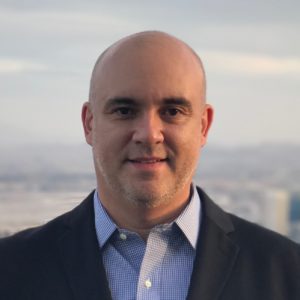
Chair
Vinicius Vasconcellos
Senior Consultant CoC TME, IBM Consulting
Vinicius is a senior consultant at IBM, with a focus on the application of new technologies such as Artificial Intelligence, Blockchain, Cloud, Big Data, and Analytics in the Telecom, Media, and Entertainment industry. With a strong background in telecom and broadcast, he has worked as a specialist and executive at Claro and Grupo RBS. He holds a degree in Electrical Engineering with a specialization in Administration from UFRGS and has an MBA in Executive Management from Fundação Dom Cabral.
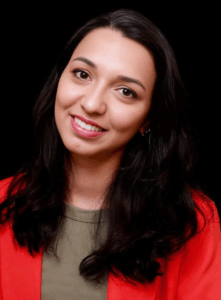
Speaker:
FinOps AI: Intelligence, Automation, and Democratization in Cloud Cost Management
Iris Ferreira
Senior Solutions Architect - AWS
Iris Ferreira is a Senior Solutions Architect at AWS, where she combines her background in Mechanical Engineering (UFRJ) with over five years of cloud experience to solve complex challenges in the media and entertainment industry. In her day-to-day work, she helps customers scale their operations, from intelligent content processing to financial governance for AI applications.
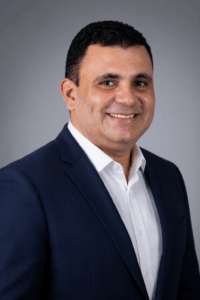
Speaker:
FinOps and AI in practice: who operates and captures value
Fabiano Gomes Pereira
FinOps and Infrastructure Quality Manager - Globo
He holds a Bachelor’s degree in Electrical Engineering and an MBA in Management, Entrepreneurship, and Business Development from the Pontifical Catholic University of Rio Grande do Sul (PUCRS). He currently serves as FinOps and Infrastructure Quality Manager at Globo
In the infrastructure sector, he leads the FinOps team, overseeing the company's cloud budget. He is also responsible for Infrastructure Quality Management and Data Center Management.
He has over 25 years of experience in technology projects, having started his career in broadcast systems projects with experience in various live events focused on content production for sports, entertainment, and journalism (such as Carnival, BBB, the World Cup, and the Olympics).
Since 2015, he has worked on projects focused on digital media and IT infrastructure. In 2021, he played a key role in Globo's cloud transformation journey, taking responsibility for the team and the evolution of the FinOps product.
Panel 2
The Battle for Attention: The Impact of Vertical Video and Automation on Streaming
The entertainment industry is facing an unprecedented paradigm shift. Mobile consumption—driven by the vertical format (9:16) and the language of short-form video—has moved beyond social media to become the standard for discovery and engagement among the new generation. For streaming platforms and broadcasters, the challenge is monumental: how can they adapt massive libraries of horizontal (16:9) content to this new ecosystem without exponentially increasing operational complexity? This panel will bring together experts in technology, distribution, and media strategy to discuss solutions. We will explore the use of story-aware AI for metadata extraction and automated catalog verticalization, the orchestration of content repurposing across multiple screens, and the "Era of Clips"—where long-form content is sliced and distributed at scale to capture audiences in a highly fragmented consumption landscape.
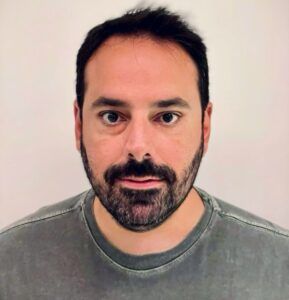
Chair
Gustavo Dutra
Head of Strategy and Business Development for the Media, Entertainment, Games & Sports Vertical at AWS
Gustavo holds a degree in Electrical/Telecom Engineering from UERJ, a postgraduate degree in Video over IP from UFRJ and an MBA in Commercial Management from PUC. He has over 20 years of experience in the video and telecommunications industry. Throughout his career, he has worked for companies such as Claro, Globo, Ateme, Oracle and other multinational technology and infrastructure companies, holding technical and business positions. He is currently the Strategy Leader for the Media Entertainment, Games & Sports segment at AWS.
Speaker:
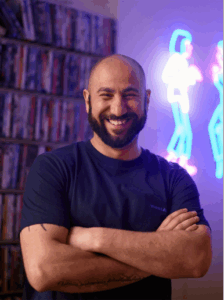
Arash Pendari
CEO & Founder - Vionlabs
Arash Pendari is the Founder and CEO of Vionlabs, an AI company transforming how the media and entertainment industry understands and works with video content. With a background in visual effects, film production, and game design, Arash combines creative storytelling with deep technical expertise to build AI purpose-built for entertainment.
Since founding Vionlabs, he has led the company in developing multimodal AI models trained on more than one million films, TV episodes, and videos, helping studios, broadcasters, and streaming platforms enrich metadata, improve content discovery, optimize media operations, and create more engaging viewing experiences.
A lifelong film enthusiast, Arash remains driven by a passion for storytelling and cinema. Outside of work, he is an avid film collector with a personal archive of more than 5,000 DVDs.

Speaker:
Hugo Nascimento
VP of Technology and Innovation, AD Digital
Hugo Nascimento is Vice President of Technology at AD Digital. He has extensive experience in researching and implementing advanced technologies for the media and entertainment industry. Its specialization includes IP-based system architectures, cloud, TV 3.0 and the integration of platforms using Artificial Intelligence to automate workflows. Leads technological innovation projects focused on optimizing the management and distribution of content for multiple platforms and new consumer ecosystems.
5G, 5G Broadcast and 6G: the new cycle of networks for media and entertainment
Panel discussion on the role of 5G in media, combining practical applications of private networks for live production, news coverage and events, as well as the potential of 5G Broadcast for mass content distribution.
The discussion also looks to the future with 6G, edge computing, AI, low-latency, XR, and autonomous networks, separating the hype from the real impact for broadcasters in the coming years.
Chair
Francisco Martins Portelinha Júnior
Executive Manager of Research, Development, and Innovation (PDI) at the Inatel Competence Center (ICC)
He is currently the Executive Manager of Research, Development, and Innovation (PDI) at the Inatel Competence Center (ICC), focusing on embedded solutions and connectivity. With over 15 years of experience in developing digital technologies and applying them across sectors such as agribusiness, healthcare, industry, and telecommunications, he brings deep expertise in analog and digital hardware, embedded and edge computing, IoT, mobile connectivity, broadcasting, and software-defined radios (SDR). His work also spans applications in Artificial Intelligence and Machine Learning. He integrates applied research with technology transfer to the market, driving digital transformation across diverse production chains.
Practical AI Applications in Broadcast Workflows
Chair
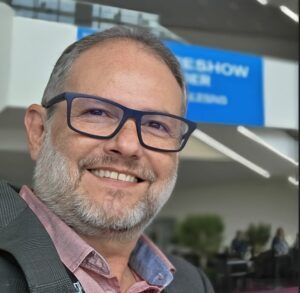
Renato Rezende Mendes
Technology and Programming Manager at TV Rio Sul
With over thirty years of experience in the media and broadcasting sector, he currently leads initiatives in generative artificial intelligence and process automation at TV Rio Sul. He holds a degree in Computer Engineering from UBM, a postgraduate certificate in Industrial Management from UERJ, and an MBA in Data Science and AI Applied to Business from PUC-RS.
Panel 2
The "Streaming Reset" and the Race for Profitability - From Audience to Real Profit
The "Streaming Reset" is a term that describes the turning point the streaming industry experienced starting in 2022-2023, after a decade of growth at any cost. The logic of the first phase was simple: grow the subscriber base at all costs, even if it meant losing money. Netflix, Disney+, HBO Max, and others invested billions in content and acquisition subsidies, betting that scale would come before the bill. The "reset" is the moment when this logic ran out of steam.
What caused the turnaround: the pandemic artificially inflated user bases. When the world reopened, churn exploded, growth stalled, and investors—who previously accepted losses in exchange for growth—began demanding results. Netflix lost subscribers for the first time in 2022, and the market panicked.
What changed in practice: the industry moved from a "subscriber-first" model to a hybrid model oriented towards real revenue. This means AVOD and FAST are gaining ground; Advertising is returning to the center of the conversation after years of being treated as something from old TV; super-bundling is being used as a retention strategy; and spending cuts on original content are being made in favor of licensing and catalog sales.
Chair
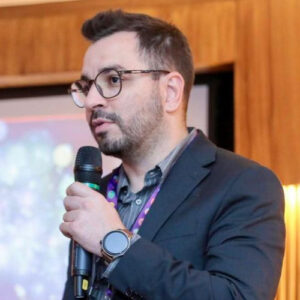
Fernando Bonifacio (Boni)
Digital Development Manager, SBT
With 20 years of experience in the broadcast market, he is a development manager at SBT, leading the +SBT streaming platform and the digital portals of SBT and Grupo Silvio Santos. He has a degree in Audiovisual, Digital Design and Computer Engineering, and an MBA in Cloud Engineering and Architecture. During his professional career, he has worked for renowned companies such as ESPN and Rede Record, participating in special coverage such as the Wacken Open Air Festival (2008), the Pan American Games in Guadalajara (2011) and the London Olympic Games (2012). Passionate about innovation, he combines technology and creativity to deliver unique digital solutions.
Palestrante
FAST Forward: Strategy, Challenges, and the Future of Free, Advertising-Powered Channels
Minton Neto
CEO and Co-founder, OffGrid
Milton Neto is the CEO and co-founder of OffGrid Creative + Content, one of the largest programmers and distributors of FAST channels in Brazil, responsible for more than 16 channels that reach tens of millions of connected TVs across the main market platforms.
With over 25 years of experience in the media, technology, and entertainment sectors, he built his career leading businesses in some of the largest global groups. At Amazon, he worked for 8 years, responsible for launching and developing initiatives such as Prime Video Marketing, Audible, Kindle Partnerships, and the Amazon Appstore in Brazil. Before that, he led the TV and Smart TV area at LG Electronics during the consolidation of connected TVs in the country and spent more than a decade at Turner International, working in business development for brands such as Cartoon Network and TNT.
Palestrante
Navigating Fragmented Audiences: How to Unify Media Buying with 'Total TV' Solutions
Steve Reynolds
CEO, Imagine Communications
Steve Reynolds is the Chief Executive Officer and former President of Imagine Communications, a leading global provider of multiscreen video and ad management solutions. With over 25 years of technology leadership experience in the cable industry, Steve brings a wealth of expertise to Imagine Communications.
- Senior Vice President of Premises Technology at Comcast
- Senior Vice President of Technology at OpenTV Incorporated
- Executive positions at ACTV Incorporated and Intellocity USA
- Technical team member at TV Guide, developing the industry's first interactive program guide
- Master of Science in Computer Engineering from Widener University
- Bachelor of Science in Computer Science from West Chester University
- Member of SCTE and participant in various standards-making bodies
- Holder of over two dozen patents in digital video, interactive television, and digital devices
Palestrante
The Interactive Screen: How to Use Audience Segmentation to Increase Monetization in TV 3.0
João Vitor de Castro
Director of New Business, Zedia
João Vitor de Castro is a partner and Director of Channels and Partnerships at Zedia, a company that supports major networks and media groups in Brazil in their digital transformation processes. Developed as a platform focused on broadcasters, Zedia leverages data and intelligence to tackle the main challenges of modern television — from delivering personalized content and advertising experiences to the digital restructuring of business models. Currently, João works directly with several TV stations, helping to build digital products and train commercial teams for the new distribution and monetization models that define the future of the industry.
From Connectivity to Intelligent Infrastructure: The New Broadcast Backbone
Discussion on how networks, cloud, ...
Discussion on how networks, cloud, edge, automation, and AI are transforming TV infrastructure from a cost center into a strategic business platform.
Chair
Fabio Acquati
Director of Technology, NGN Telecom
Started his career at Tektronix, as Video System Engineer for South America and, over this period, watched the evolution and transition of video systems, following DTV tests in Brazil from the very beginning. Nowadays, he is Director at NGN Telecom, company he founded to work with monitoring, quality assurance and process automation for Telecom and Video Networks, improving his knowledge in IP networks. He is part of GEIP SET group, video industry training instructor and has studied, along its partners, the technology and the challenges IP video, cloud, workflow orchestration and process automation.
Panel 1
Panel 2
Panel 3
Panel 4
Measurements in DTV 3.0
Chair
Cristiano Akamine
Professor and Researcher, Digital TV Laboratory, School of Engineering, Mackenzie Presbyterian University | SBTVD Forum Technical Module
Received the B.Sc.degree from Mackenzie Presbyterian University, Sao Paulo, Brazil, in 1999, and the M.Sc. and Ph.D. degrees from the State University of Campinas, Sao Paulo, in 2004 and 2011, respectively,all in electrical engineering. He is a Professor of Embedded Systems, Software Defined Radio, and Advanced Communication Systems, Mackenzie Presbyterian University. Since 1998, he has been a Researcher with the Digital TV Research Laboratory, Mackenzie Presbyterian University, where he had the opportunity to work with several digital TV systems. His research interests are in SoC for broadcast TV and software defined radio.
Speaker:
TV 3.0 Field Intensity
Alberto Botelho
Broadcasting Project Engineer - LM Telecom
He has PhD in Electrical and Computer Engineering from Mackenzie, Master's degree in Electrical and Computer Engineering Mackenzie, specialization in Digital Television Systems Engineering from Inatel, specialization in Telecommunications Network Engineering from Inatel, MBA in Project Management from FGV and degree in Electrical Engineering from UNIP. He has worked as a broadcasting project engineer since 2002 and currently works at LM Telecom.
Panel 2
MCP and AI in Virtual Production
Chair
André Dias Arnaut
Coordinator of the Virtual Production Working Group at SET | CEO, Legado Tecnologia
Specialist in virtual production in Unreal and motion graphics with 25 years of experience in large national and international projects from broadcasters to large virtual productions, XR LedWall and Augmented Reality, Partner at Begin Play official authorized training center of Unreal by Epic Games in Brazil, Aximmetry authorized and certified agent, Educator and lecturer in virtual production.
Panel 4
I have the data; now what do I do?
Chair
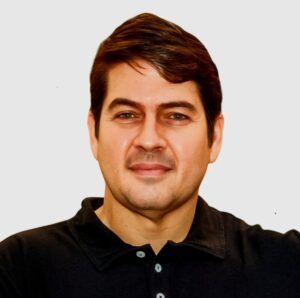
Karin Ribeiro
Digital Business Manager - SBT
Head of Digital Monetization at RedeTV! leads the broadcaster's digital revenue strategy — from developing digital products and commercial partnerships to commercial media operations. Specialist in digital media, CTV, FAST, streaming, and adtech, he works at the convergence of open and digital TV, structuring new revenue models and multiplatform distribution for publishers and media platforms. Executive with solid experience in digital business, advertising and media, she combines strategic vision with in-depth operational knowledge of the digital ecosystem.
Speaker:
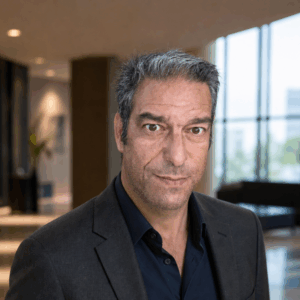
Vinicius Guimaraes Pimentel
Technology Manager at Rede Gazeta in Espírito Santo
Electronic Engineer with over 20 years of experience in the broadcast industry, working in leadership positions, leading multidisciplinary teams, and managing critical operations for broadcast TV and digital platforms.
Has a consolidated track record in the technological transformation and evolution of transmission environments, with a strong focus on digital TV, video over IP, high-availability networks, and broadcast infrastructure projects. Leads modernization initiatives with a strategic approach, driving operational efficiency gains, reliability, and scalability, with a direct impact on business continuity and the quality of the audience experience.
Works at the executive level in defining and implementing technological strategies aligned with corporate objectives, translating business demands into engineering solutions that generate measurable value. Consistent experience in optimization, increasing operational performance, and improving service indicators, contributing to the sustainability and competitiveness of the media business.
Palestrante
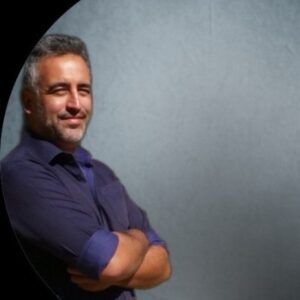
Marcio Malmegrin
CEO of Latitude Digital
Graduated in Business Administration from EAESP – FGV, with a specialization in Marketing, he was Director of Market Relations at RBS in Santa Catarina. Specialist in business development in media and digital environments, he is a co-founding partner of Macuco Tech Ventures and participates as an advisor and board member of companies such as Mantis Ai, Orbit DataScience, Zedia and Latitude Digital
Palestrante
Juan Fontenla
Executive in Marketing Strategy and Customer Engagement, NTT DATA
Marketing executive with over 20 years of experience in marketing management, with roles at companies such as NTT DATA, Nokia, Navteq, Terra, DirectNet, and Citibank. Led marketing strategies across Latin America, including the launch of services in Brazil, Argentina, Chile, and Peru, and coordinated multidisciplinary teams across Latin America and the United States in the planning, management, and execution of B2B and B2C marketing initiatives.
In consulting, led Marketing 5.0, Data-Driven Marketing Strategies and AI-powered marketing solutions projects for companies such as Record, CPFL, Equatorial and Ambev, integrating marketing strategy with disruptive technologies. Holds a Master’s degree in Consumer Behavior from ESPM, complemented by executive education in Strategic Business Management at Harvard University, Digital Marketing and Social Media Analytics at MIT, and Applied Neuroscience Applied to Consumer Behavior at ESPM. Also holds specializations in Branding from FGV and Marketing from ESPM.
Researcher and Consumer Behavior Session Chair at the European Marketing Academy, and author of a scientific article published in the Review of Business Management. Graduate-level lecturer in Marketing and Consumer Behavior at Saint Paul Escola de Negócios, Unicamp, PUC, and Mackenzie
Integrated Anti-Piracy Enforcement: ANCINE’s New Normative Instruction, Blocking Networks, and User Responsibility
Combating copyright infringement requires action on all fronts. The new Normative Instruction from ANCINE streamlines processes, and the partnership with ANATEL ensures the effective blocking of illegal signals. The debate is moving towards consumer responsibility. Unauthorized copying is not a free service: it poses severe risks of data security breaches, financial fraud, and the financing of organized crime. Protecting audiovisual media is also protecting the citizen.
Chair
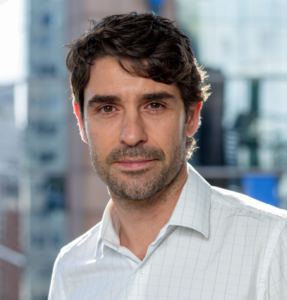
Jonas Antunes
Legal Director, ABTA - Brazilian Pay TV Association
Jonas Antunes Couto is an economist and lawyer, with a PhD in Economic Law from USP. He is currently the Legal and Regulatory Director of ABTA, where he oversees activities related to the prevention and combat of audiovisual piracy in the industry.
Technologies at the 2026 World Cup
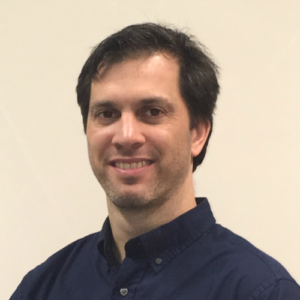
Chair
Roberto Hoffmann
Technology and regulatory project manager at RBS TV
Electrical engineer, with an emphasis on automation, graduated from Unisinos. He has been working for over 15 years in broadcast and telecommunications companies, with extensive experience in management systems projects, multiservice networks and in IT and Broadcast platforms. He has worked on deployments in Brazil and Latin America, having worked at Claro, Deutsche Telekom and Smartcom PCS. He is currently manager of technology projects and regulatory at RBS TV Porto Alegre.
From MCR to Intelligent NOC: observability, telemetry, and data-driven operation.
This panel will discuss the transition from traditional technical rooms to data-driven operations centers, intelligent alarms, event correlation, predictive analytics, and integration with ITSM/DevOps/SRE.
The new professional profile of broadcast engineering in the age of AI.
This panel proposes a di...
This panel proposes a discussion on the transformation of skills: less isolated manual operation, more software, networks, APIs, cloud, data, security, automation, and business vision.

Chair
Carolina Duca
Director of Infrastructure and Telecom, Globo
Engineer and Master in Digital Transmission Systems, has been working for over 10 years in the area of content production and distribution. She is currently responsible for Globo’s telecommunications area.
Panel 2
Hard News in the AI Age
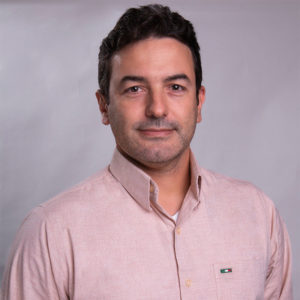
Chair
Eduardo Lopes
Technology Director of Rede Amazônica
Eduardo Lopes holds a degree in Electrical and Telecommunications Engineering from Inatel. He has specializations in Systems (Center for Higher Education in Management, Technology and Education – FAI), Project Management (Fundação Getúlio Vargas – FGV), Digital TV and IPTV (Inatel), Business Administration (Postgraduate and Graduation Institute – IPOG) and Digital Strategies for Media Companies (ISE Business School). Currently, he is the Director of Technology at Rede Amazônica, an affiliate of TV Globo in the North Region.
Panel 4
Opening ceremony
The Revolution of Broadcast Television in Brazil: The Value of Television in a Connected World
Brazil begins a new cycle for broadcasting based on TV3.0. This panel presents the fundamental points of this public policy, the results already achieved and discusses the challenges of implementing it at scale.
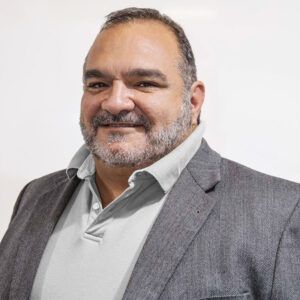
Chair
Paulo Henrique Castro
President of SET | CEO & Founder of Mediatech Lab
An engineer and executive with over 30 years of experience in the media and technology sector, Paulo Henrique Castro is President of SET—a technical-scientific entity that serves as a hub for innovation, business, and technology for the Brazilian audiovisual market—and CEO and Founder of Mediatech Lab, a startup specializing in emerging technologies and innovation consulting.
With 27 years at Globo, where he was Director of Technology and R&D, Paulo played a decisive role in the implementation of Digital TV in Brazil and currently leads strategic projects such as the official pilot of TV 3.0 in the country. He is a member of the IBC, IEEE, and SMPTE, and has been a SET advisor since 1997.
The new abstraction layer for the software-defined broadcaster.
The panel discussion will focus on how the Media eXchange Layer (MXL) and the Dynamic Media Facility (DMF) concept can reorganize media infrastructure, creating a more flexible layer between applications, processing, transport, and network resources.
The panel will discuss interoperability, elasticity, hybrid operation, cloud computing, IP, orchestration, and the impact on the design of broadcasting stations and production centers.
Panel 3
AI Maturity in Organizations: From Experimentation to Workforce Transformation
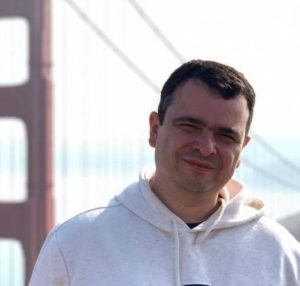
Chair
Daniel Monteiro
Head of Product Development and Technology - Globoplay
Holds a degree in Electronic Engineering from UFRJ and an M.Sc. in Video Compression. After more than two decades in research and innovation at Globo — including time at NHK’s research center in Japan — has been leading Product and Technology development at Globoplay since 2021. Currently heads the teams responsible for designing, developing, and scaling Globoplay’s digital experiences across multiple platforms, merging product strategy with engineering to deliver real impact for users.
The New Center of Gravity in Media: Ecosystems, Platforms, and the Battle for Attention
This opening session of the track offers a strategic perspective on the new distribution of power within the media industry. For decades, the center of gravity resided in broadcast channels, programming schedules, major media brands, and the ability to attract audiences at scale. Today, part of that influence has shifted toward global platforms, algorithms, data, social networks, creators, and communities.
However, this does not mean that media companies have lost their relevance. On the contrary, they continue to hold essential assets such as trust, brand equity, journalism, sports, entertainment, local presence, content production capabilities, and strong relationships with advertisers.
The panel will explore how these assets can be reorganized within a new ecosystem-driven model, where content, technology, distribution, data, brands, and audiences no longer operate in silos but instead create value through integrated and interconnected strategies.
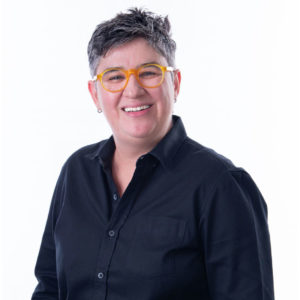
Chair
Daniela Souza
Advisor to SET and CEO at AD Digital
Daniela is the CEO of AD Digital, a company with over 31 years of experience, working at the convergence of strategy, technology, media, and communication, supporting organizations in transforming video into a strategic business asset. She works by connecting innovation, operational efficiency, and the generation of sustainable value in a world marked by the attention economy and digital transformation.
In recent years, she has expanded her work to include topics such as female leadership, productivity, human innovation, and more conscious futures, seeking to integrate performance, balance, and positive impact.
She is an advisor to SET, co-curator of the SET Congress since 2017, and a member of the Digital Video Committee of IAB Brazil. She actively participates in the evolution of the Brazilian audiovisual ecosystem, contributing with a practical, human vision oriented towards building more collaborative futures.
Daniela is a guest speaker at events such as SET Expo, Rio2C, CIAED, CTV Ads Days, and Adtech & Branding.
Daniela is also passionate about life and a seeker of conscious action. Guided, like all of us, by the great mystery of existence, she believes in love as a force for individual and collective transformation.
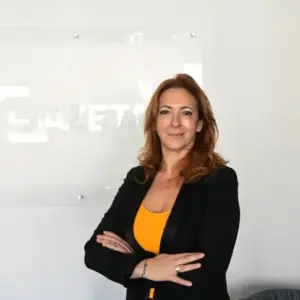
Speaker:
Juliana Algañaraz
General Superintendent of Television, TV Gazeta
Juliana Algañaraz is a renowned executive in the audiovisual market. Recognized for her strategic leadership, she has built a distinguished career leading major content production companies and media channels in Brazil and Latin America.
Throughout her career, Juliana has held high-level leadership positions, having served as CEO of Endemol Shine Brasil and led the production company Porta dos Fundos. Her resume also includes strategic roles at global entertainment and pay-TV companies, including Discovery Channel, Fox, and Animal Planet. In Brazilian free-to-air television, she has also undertaken and led partnerships with broadcasters such as RedeTV.
In September 2025, Juliana assumed the position of general superintendent of TV Gazeta in São Paulo.
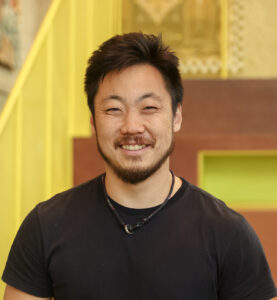
Speaker:
Pedro Sung
YouTube Ads Strategy Lead - Google
Pedro Sung is YouTube Ads Strategy Lead at Google, where he works with the mission of translating the power of the platform, creators, and algorithms into real and sustainable growth for advertisers. He holds a degree in Business Administration from FEA-USP and an MBA from the Kellogg School of Management, combining a classic vision of building value and trust with the dynamics of the new digital ecosystem. His professional foundation was built at P&G, with a strong focus on brand management, trade, and shopper marketing, and on analyzing multiple facets of consumer behavior. In his 10-year journey at Google, Pedro led business strategies and designed joint plans with major advertisers in the Consumer Goods industry, always keeping an eye on media transformations and new ways to connect with audiences.
Workshop - Secure DTV+ App Development
Building the Regulatory Framework for DTV+
The evolution of TV 3.0 in Brazil is progressing under a regulatory agenda currently being developed, which articulates technical, normative, and promotional instruments. At a key moment of institutional convergence, this panel brings together ANATEL and MCOM to present how these fronts are being structured in a coordinated manner to enable the implementation of TV 3.0,promoting innovation, sustainability, and competitiveness in the sector.
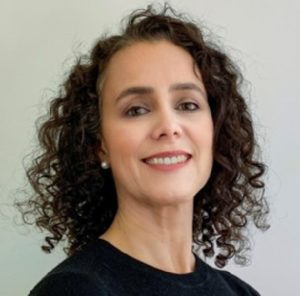
Chair
Ana Eliza Faria e Silva
Senior Manager of Technology Regulatory, Globo
Ana Eliza is a senior regulatory manager in the strategy and technology department at Globo. With 25 years of career experience, she has led numerous innovative projects in digital content distribution and played a prominent role in various stages of Globo's analog-to-digital transition and the industry as a whole. She is actively involved in various technical media organizations, such as the Brazilian Society of Television Engineering and the Brazilian Digital TV System Forum. Ana Eliza has held various management positions in the telecommunications field, has been contributing to ITU activities for two decades, and has been actively participating in World Radiocommunication Conferences since 2007. She holds a master's degree in Video Compression from UNICAMP, an MBA in Management, and an MBA in Telecommunications.
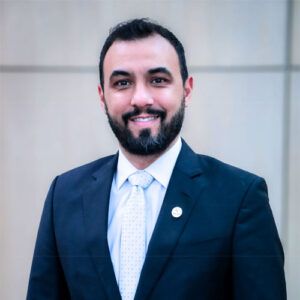
Speaker:
Wilson Diniz Wellisch
Secretary of Broadcasting Services at the Ministry of Communications
Telecommunications Engineer with a bachelor's and master's degree from the University of Brasília (UnB), he has been a career civil servant at the National Telecommunications Agency (Anatel) since 2011, where he served as Superintendent of Concessions and Resources for Service Provision, Superintendent of Inspection, and also as Interim President.
At the Ministry of Communications, he was Director of the Department of Digital Inclusion, Director of the Department of Public Telecommunications Policies, and Undersecretary of Telecommunications. Currently, he holds the position of Secretary of Broadcasting Services at the Ministry of Communications.
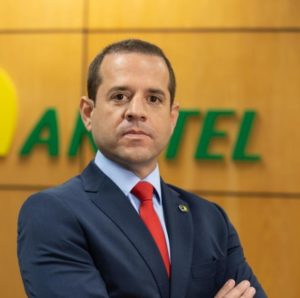
Speaker:
Vinícius Caram
Superintendent of Granting and Resources for the Provision of Anatel
Master in Telecommunications Engineering and postgraduate in Telecommunications Management from the University of Brasília (UnB). Specialist in Governance and Control of Regulation by the National School of Public Administration (ENAP). Telecommunications Network Consultant between 1998 and 2011. Professor in Electrical Engineering courses at private universities in Brasília. Agency employee since 2011, having worked in the regulatory area, in the area of Critical Infrastructure Management and manager of Quality Obligations Control.
The New Fan Experience at the 2026 World Cup: Immersion, Interactivity, and Real-Time Data
The 2026 World Cup marks a turning point: it was the first major global event where streaming consumption rivaled traditional broadcasting. However, streaming is not merely an alternative distribution channel; it is a platform for active experiences. This panel will discuss how the industry is evolving the live sports consumer experience. We will explore how innovations in multiview and low latency allow fans to watch multiple angles without losing the thrill of the "live" moment. We will discuss integrating AI-driven social listening with interactive features to bring the "stadium atmosphere" into the digital environment. Furthermore, we will debate the pivotal role of structured metadata and real-time statistics, which enrich the screen with lineups, shoulder content, and personalized sports hubs, transforming the passive viewer into an immersed and engaged fan.
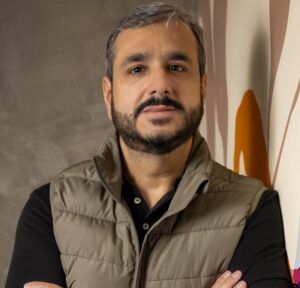
Chair
Igor Macaubas
Coordinator of the Streaming GT - SET | Director of Product and Engineering, Digital Products, Globo
Igor leads the engineering, product management and operations of Globo's Digital Products - Globoplay, Premiere, G1, GE, Gshow & BBB, just to name a few. Over the past few years, he has managed deliveries that brought millions of users to Globo's Internet platforms, such as Big Brother Brasil, the Olympics, and the World Cup, deliveries that have made Globo internationally recognized for its technical excellence and record digital audiences.
Speaker:
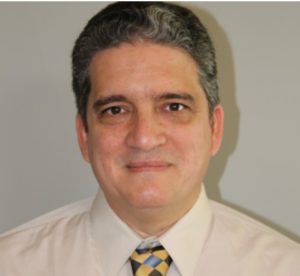
Tárik Hadi
Founder & CEO - Rooster
Founder and CEO of Rooster, building the next generation of TV and streaming experiences powered by artificial intelligence—from real-time interactive features to recommendation systems for DTV+ and digital platforms.
Speaker:
Manuel Martinez Serruys
Director Sales Engineering LATAM, MediaKind
Manuel has over 20 years of experience in the industry, including the design and development of end-to-end streaming and broadcast solutions. As a senior technology leader at MediaKind, with a focus on the Latin American market, he creates business, product, and architecture opportunities to support clients in evolving their media strategies in line with their technological, operational, and consumer-base needs.
He brings a customer-centric mindset to the creation, adaptation, architecture, implementation, and integration of broadcast and streaming media workflows across various business models, including SaaS, cloud, on-premises, and hybrid infrastructures.
Manuel drives integration solutions, identifies product gaps, and fosters innovation through collaboration with product management and R&D teams. He delivers trusted innovation to clients, with a deep understanding of their current and future needs in technology, business, and market dynamics.
Panel 1
Workshop - Secure DTV+ App Development
Audio on TV 3.0: Immersion, Personalization, and Intelligence in Broadcasting
The start of TV 3.0 on public broadcasters and the Mais BR platform for digital government services.
Chair
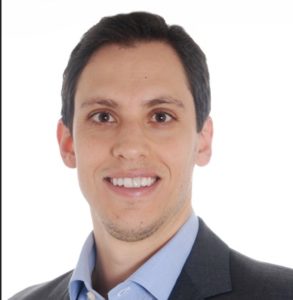
Carlos Eduardo Neiva Melo
Vice President of Network and Technology, ASTRAL
Carlos Neiva - Communication Network Engineer from UnB, specializing in Information Technology, and trained in Digital TV by NHK-CTI in Tokyo, Japan. He worked in the planning of broadcasting channel allocation and the implementation of the Brazilian Digital Television System as a Telecommunications Regulation Technician at Anatel from 2009 to 2012. Since 2013, he has been a telecommunications engineer at the Chamber of Deputies, working on the implementation of the Legislative Network. Since 2021, he has been a supervisor of the Legislative Network, a technical advisor for ASTRAL, and a representative of ASTRAL in Gired, Gaispi, and GT TV 3.0.
Speaker:
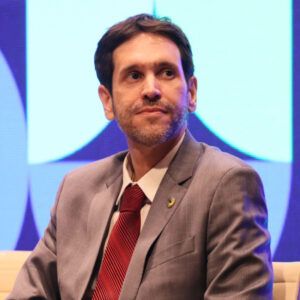
Octavio Penna Pieranti
Director of the Board of Directors of Anatel / President Gired
Octavio Penna Pieranti is a Director-Counselor at Anatel and a career civil servant at the Agency. He has worked at the Secretariat of Social Communication of the Presidency of the Republic (SECOM), the Ministries of Communication (MCOM) and Culture (MinC), and Empresa Brasil de Comunicação (EBC). He holds a doctorate in Law and Administration and is the author/editor of eleven books, mainly on public communication policies and sector regulation.
Speaker:
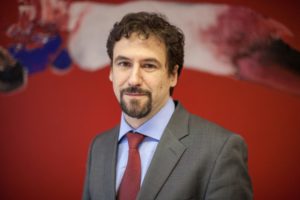
João Brant
Secretary of Digital Policies - SECOM - Presidency of the Republic
PhD in Political Science from the University of São Paulo (2018). Holds a master's degree in Regulation and Communication Policies from the London School of Economics (2006) and a bachelor's degree in Social Communication with a specialization in Radio and TV from the University of São Paulo (2001). Executive Secretary of the Ministry of Culture from 2015 to 2016, and special advisor at the Municipal Secretary of Culture in São Paulo in 2013 and 2014. Previously, worked for 10 years in civil society organizations, focusing on topics such as freedom of expression, telecommunications infrastructure, and Internet rights. One of the founders of Intervozes, an NGO working to promote communication rights, where he served as executive coordinator for six years. Provided consultancy services to UNESCO, Ford Foundation, Global Partners, OBSERVACOM, among other institutions, and currently works as a researcher and consultant in culture, communication, and internet policies. Has given approximately 200 lectures on communication and cultural politics in Brazil and abroad, including public hearings in Congress. Co-author of "Digital Communication and the Construction of Commons" and has published other texts on communication, internet, and cultural politics.
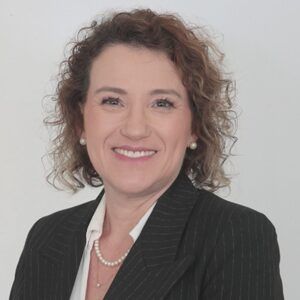
Speaker:
Daniela Guerson André
Director, TV Câmara
Journalist, specialist in Public Management and Digital TV, with additional training in Social Media and Public Sector Communication. Holds professional experience in managing communication teams, content management and production, journalism, and television programming. Has held various positions within the Communications Department of the Brazilian Chamber of Deputies, including multimedia production management, hosting and directing audiovisual programs, and coordinating content for the Chamber’s communication platforms. Currently serves as Director of TV Câmara..
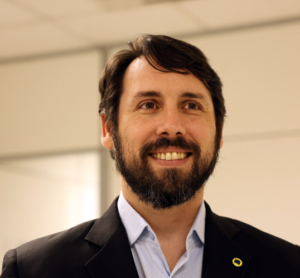
Speaker:
Bráulio Ribeiro
Director General of EBC (Brazil Communication Company)
Director of Operations, Engineering and Technology at EBC – Empresa Brasil de Comunicação. He was Director of Operations and Engineering at TVE Bahia and Rádio Educadora, in Salvador, from 2016 to 2024. In Bahia, he developed production and tapeless journalism projects, internalizing the TVE signal, implementing 100 relay stations, among other projects. He worked at EBC from 2008 to 2016, as Manager of Rádios da Amazônia and Chief of Staff of the General Directorate. He was a professor at communication colleges in DF, teaching audiovisual production, photography and video editing classes.
Keynote
Unveiling the DTV 3.0 Physical Layer
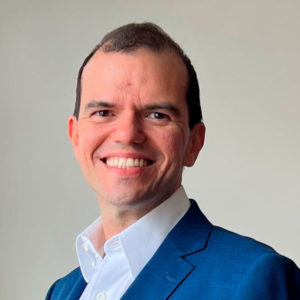
Chair
Francisco Peres
Director of Broadcasting at MediaTech Lab
Graduated in Telecommunications Engineering from Universidade Federal Fluminense, Master in Applied Electromagnetism from PUC-Rio and MBA from FGV. Works on TV3.0 transmission projects, in SET and ABERT working groups that deal with sector regulation and currently leads the transmission and Broadcast area of MediaTech Lab.
Company: MediaTech Lab
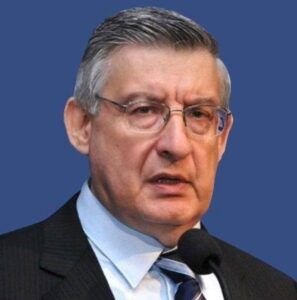
Speaker:
José Roberto Elias
Commercial Consultant – EFTX
José Roberto Elias has 42 years of experience in Telecommunications Systems and Digital TV and FM Broadcasting. He has held executive positions in several companies in the Telecommunications and Antenna Manufacturing sectors and currently works as a Consultant for DTV+ 3.0 and telecommunications networks. He was an MBA professor in Digital Coding and Radiating Systems at the Federal Fluminense University.
Speaker:
Cristiano Akamine
Professor and Researcher, Digital TV Laboratory, School of Engineering, Mackenzie Presbyterian University | SBTVD Forum Technical Module
Received the B.Sc.degree from Mackenzie Presbyterian University, Sao Paulo, Brazil, in 1999, and the M.Sc. and Ph.D. degrees from the State University of Campinas, Sao Paulo, in 2004 and 2011, respectively,all in electrical engineering. He is a Professor of Embedded Systems, Software Defined Radio, and Advanced Communication Systems, Mackenzie Presbyterian University. Since 1998, he has been a Researcher with the Digital TV Research Laboratory, Mackenzie Presbyterian University, where he had the opportunity to work with several digital TV systems. His research interests are in SoC for broadcast TV and software defined radio.
Super Panel World Cup 2026: Engineering, AI and Live Experience
The Super-Painel Copa 2026 will bring together, in a single moment, the 3 axes that define the state of the art of live broadcasting in 2026: delivery infrastructure on an extreme scale; artificial intelligence applied in real time; and the narrative dispute between traditional broadcasting and native digital platforms for the audience of the biggest sporting event on the planet. No other event simultaneously stresses all the components of a streaming chain like a World Cup game. Tens of millions of users opening the app in the same second, on heterogeneous devices, over varied connections, expecting zero seconds of buffering and latency comparable to that of open TV. It's the ultimate stress test - and everything that works in the World Cup works for anything.
Has the technology race in live streaming reached a point of sufficient parity with the CDN working, latency dropping, and AI automating what was manual? What differentiates now is no longer just infrastructure - it's experience, narrative and editorial identity. For the SET Congress audience - engineers, TV station executives, technology suppliers - this is a productive provocation: the technology you build is a necessary condition, but not a sufficient one. What comes after the infrastructure is resolved is the question that the panel leaves open for the final debate.
Chair
Salustiano Fagundes
OTT Video Streaming Working Group Coordinator - SET
Board Member at SET.
Coordinator of the Product Experience Laboratory at Claro TV Brasil.
Entrepreneur in technological innovation and streaming specialist with over two decades of experience in applications for Connected TVs (CTVs).
Speaker:
Goals, Fouls, and Instant Clipping: Using Real-Time AI in the 2026 World Cup
Sundeep Jinsi
Vice President, Media Distillery
I have over 15 years of experience working across the entire digital content chain (content creation, content distribution, content consumption) has given me a holistic view of the industry.
This includes areas such as digital TV, broadband internet, multiscreen services and streaming video.
I started my career in the broadcast industry, responsible for the sales of Grass Valley in Latin America.
I built up the Technicolor business of Set Top Boxes and Broadband modems from scratch.
After Technicolor I led sales for Gracenote, one of the largest metadata providers.
More recently, I have focused on representing several companies in the field of TV, Media and Streaming to expand their business in Latin America.
Amongst these is Media Distillery, which uses Artificial Intelligence to improve ROI for operators and content providers.
Speaker:
Marcos Petry
Head of Video Platforms and CDN at Globo
With over 20 years of experience in software development, Marcos Petry leads and is responsible for the evolution, roadmap and quality of the delivery of Globo's Video Platform for the Group's various digital products. He has a degree in Computer Science from UCS-RS, is currently pursuing a Master's degree in Data Science from PUC Rio, and holds an MBA in executive management with a focus on strategy from COPPEAD/UFRJ.
Agentic Journalism and the New Architecture of News Production
Generative artificial intelligence is already part of the daily routine for journalists, communicators, and media companies. But a new stage is underway: the emergence of agentic systems, capable of performing complex tasks, coordinating multiple tools, and acting increasingly autonomously in information workflows.
In this panel, experts in journalism, technology, communication, and media will discuss how this transformation is impacting news production, fact-checking, information verification, content distribution, and the role of professionals in newsrooms. More than analyzing tools, the debate seeks to understand how artificial intelligence is redesigning the processes of information creation and circulation, and what opportunities, ethical challenges, and responsibilities emerge in this new scenario.
Chair
Márcio Carneiro dos Santos
Coordinator of the SET Working Group on Artificial Intelligence
He holds a Ph.D. from the Graduate Program in Intelligence Technologies and Digital Design (TIDD) at PUC-SP and completed a postdoctoral fellowship at the University of Brasília (UnB) in the field of Communication Theories and Technologies.
He is the Coordinator of the Professional Master’s Program in Communication at the Federal University of Maranhão (UFMA) and a professor in the Department of Social Communication, specializing in Digital Network Journalism. He also directs LABCOM (Media Convergence Laboratory), leads the CNPq Research Group on Technology and Digital Narratives (TECND), and serves as Chief Researcher at the Data Intelligence Center (NID).
He is the Coordinator of the Artificial Intelligence Working Group at SET (Brazilian Society of Television Engineering) and a recipient of the FAPEMA/CNPq State Productivity Research Fellowship.
His research and publications focus on Intelligent Systems Applied to Journalism, Digital Narratives, Generative Artificial Intelligence, Immersive Journalism, Design Science, Network Theory, Social Network Analysis, and Philosophy of Technology.
He received the Adelmo Genro Filho Award from the Brazilian Association of Journalism Researchers (SBPJor) in 2018 and 2022 in the Applied Research category.
Palestrante
From live stream transcription to the production of summaries, audio, and content drafts at scale.
Thomas K. Pomerancblum
Senior Software Engineering Manager , UOL
With over 25 years of experience in the technology industry, Thomas is the Senior Software Engineering Manager, responsible for the development, UX, and UI teams in the content area of UOL. He leads the teams responsible for the systems used by the portal's editorial staff to publish, display, and distribute their content across various devices, interfaces, and networks where their production is present.
Speaker:
A powerful tool in the hands of storytellers, capable of maximizing the full value of sports content.
Adonias Melo
Head of Media Platforms and Metadata - Globo
A technology executive at Globo, he serves as Head of Media Platforms and Metadata, leading strategic initiatives involving artificial intelligence applied to audiovisual content. With over 18 years of experience in the Media and Entertainment sector, he drives the software-centric transformation of production and distribution workflows, leveraging data and AI to enhance efficiency, quality, and innovation. He holds a degree in Network Engineering, two MBAs in Management and Project Management, and certifications in agile methodologies, artificial intelligence, cloud computing, networking, and IT service management.
MindSET – The Problem Isn’t AI. It’s Your Mental Model. From the Tool Era to the Architecture Era
There are moments in history when tools transform society so profoundly that human thinking must evolve alongside them. The discovery of fire, the development of language, the invention of writing, Gutenberg’s printing press, and the Industrial Revolution each reshaped what we could do and, consequently, what we believed was possible.
We are living through one of those moments now. And, for the first time in history, the tool thinks.
Artificial Intelligence is no longer just a technology. It has become infrastructure. Treating it as merely a tool is a mistake: we are facing a new form of intelligence. The question is no longer how to use it, but how to co-evolve with it.
The MindSET panel emerges from this provocation. Through a journey that spans from prehistory to the present day, the session revisits the mental models inherited from the Industrial Age—models based on scarcity, linearity, and hierarchy—and invites the audience to imagine and build what comes next: a parallel, collaborative, co-creative, and abundant model.
Chair
Roberto Dias Lima Franco
SET Advisor
Angel Investor and Board Advisor. Specialist and speaker in the fields of Communications, Innovation, and Digital Transformation. Board Member of SET, FSBTVD, and Palavra Aberta.
With an extensive career as a C-level executive at some of Brazil’s leading television networks, he brings deep expertise in media, technology, and business transformation. He is also a Co-Founder and Partner at Orb.tz.
Speaker:
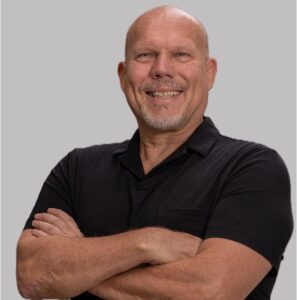
Marcel Nobre
Founder & CEO, BetaLab | Professor of Innovation and AI
Marcel Nobre is an entrepreneur, researcher, professor, and speaker (SXSW and TEDx) specializing in innovation, technology, and artificial intelligence. He is the Founder and CEO of BetaLab and serves as a professor at MIT, StartSe, HSM/Singularity, and FIA Business School.
A frequent guest expert on CNBC Times Brasil, he is also a columnist for HSM Management and co-host of the Trends News Podcast. Through his work, Marcel helps organizations and professionals understand and apply emerging technologies, innovation strategies, and AI-driven transformation.
Speaker:
Renato Grau
Applied Futurism, Digital Transformation, and Human Development specialist.
Applied Futurism, Digital Transformation, and Human Development specialist. Founder and CEO of TrenDs News, author of Carta do Especialista and creator of Jornada do Inquieto, he works as a speaker, professor, entrepreneur, and board advisor.
A professor of Artificial Intelligence and Digital Transformation at StartSe, columnist for the MIT Technology Review Brasil, and Ambassador of the Movimento Brasil Digital para Todos, he has been recognized by Thinkers360 as a Top 25 Latam Voice.
He actively participates in the world's leading innovation events, including SXSW, Web Summit, HackTown, SPIW, Rio Innovation Week, HIS, and FIS Week, connecting emerging trends with strategic decision-making in organizations.
Lessons learned from the TV 3.0 installations.
Chair
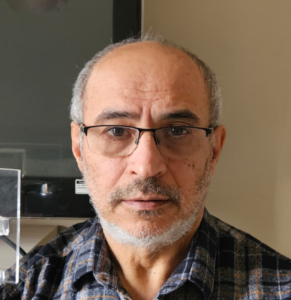
Marcos de Araújo
Technical project coordinator - TV CULTURA-SP
A professional with a solid 50-year career at TV Cultura SP, operating at the forefront of the engineering field. Over five decades, he has actively witnessed the evolution of the Brazilian broadcasting system, building deep expertise in the development, implementation, and management of transmission and media technologies. He combines extensive technical experience with a strategic vision to drive modernization and operational efficiency within complex broadcasting environments.
Speaker:
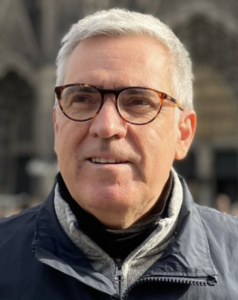
Gunnar Bedicks
CTO at Seja Digital
Gunnar Bedicks is a professor, researcher, and telecommunications professional with over 30 years of experience in devices, technologies, and systems for analog and digital communication. In 2013, he received the Order of Rio Branco commendation from the Ministry of Foreign Affairs for his contribution to the expansion of the Brazilian Digital TV System to countries in South America, Central America, and Africa.
Since 2015, he has held the position of CTO at Seja:Digital, an entity responsible for the release of the 700 MHz frequency band for 4G. Currently, he is leading the implementation of the Digitaliza Brasil Program in 1,650 municipalities, the deployment of the underwater optical cable of Infovia 01, and the Norte Conectado Program between Santarém and Manaus.
Speaker:
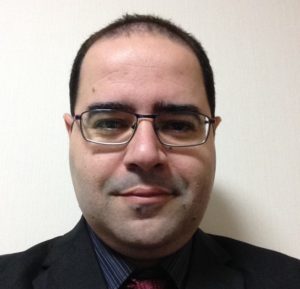
Carlos Cosme
Researcher at Medialech Lab - Globo | Member of the Technical Module - SBTVD Forum
Carlos Cosme holds a degree in Electrical Engineering from Universidade Estácio de Sá (2007), a postgraduate degree in Control and Automation Engineering from Universidade Gama Filho (2011) and a specialization in Computer Networks from PUC Rio (2013). He has been with Globo since 1998, where he worked in the areas of operation, support and currently works as innovation specialist in the Telecom group of the Infrastructure and Security Hub. He is a member of the Sistema Brasileiro de Televisão Digital (SBTVD) Forum, where he coordinates the Audio coding, Captions and Video coding working groups for TV 3.0 project. At Globo, he focus on broadcast and broadband technologies that can increase and/or improve the quality of experience for viewers consuming Globo's products.
Technological evolution in satellite content distribution
A discussion about new technologies un...
A discussion about new technologies under development for satellite video distribution integrated into the future environment of more interactive TV.
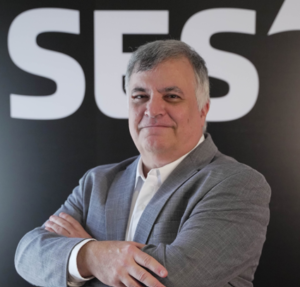
Chair
Fabio Alencar
VP Regional Sales Latam, SES
Fábio Alencar works at SES Brazil since 2019 initially on business development. Currently is
Vice-President Regional Sales Media Latam and Enterprise & Cloud Brazil, working from Brazil
covering all Latin América.
Graduated in Electronic Engineer at the IME (Instituto Militar de Engenharia - Brazil), has 40
years of experience working on satellite telecommunications.
Fabio has worked on engineering, project management, sales, marketing, and business
development on several companies in Brazil and abroad, leading large projects on the video,
fixed data and mobile satellite services fields, for government and in the private sector.
He is also president of SINDISAT – Sindicato Nacional das Empresas de Telecomunicações via
Satélite, since July de 2022. SINDISAT aggregates the main operators, manufacturers and
service providers that operate at the Brazilian satellite communications sector
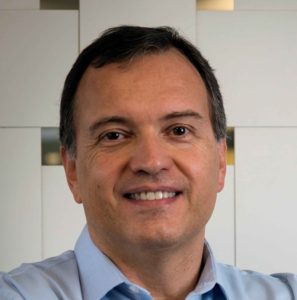
Speaker:
Guilherme Saraiva
Director of Media and Satellite Sales, Claro Empresas | SET Advisor
I am a technology and digital products executive. Over the past few years, I have worked on digital transformation projects, leading initiatives focused on operational efficiency, improving customer experience, creating new revenue streams through digital products, and building partner ecosystems.
I have built my career over 30 years in national and international media and telecommunications companies such as Telecine, Globosat, British Telecom, NET, and Vicom. Throughout this journey, I participated in three company merger processes, actively involved in both the sale and integration phases.
I specialize in product development and management, complex project management, and client relationship management. I hold a degree in Telecommunications Engineering from IME, and MBAs in Marketing and Finance from FGV. I have completed specialization courses in project and process management at PUC and in pricing strategy at IBMEC. I am currently pursuing an MBA in Big Data and Artificial Intelligence at PUC.
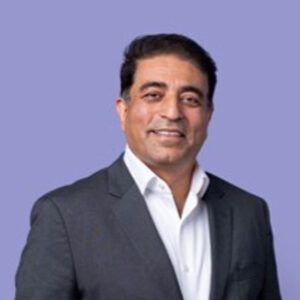
Speaker:
Deepak Mathur
President, SES Media
Deepak Mathur is President of SES's Media business, where he is responsible for driving the growth and commercial success of the company's global video operations.
He joined SES in 2006 and has since held several leadership positions, including Executive Vice President of Strategic Markets and Executive Vice President of Global Sales for SES Video.
Prior to joining SES, Deepak served as Managing Director of Americom Asia-Pacific and held leadership and sales roles at EchoStar, NagraVision, and Loral.
He currently serves on the Board of Directors of YahLive, a joint venture between SES and YahSat.
Deepak holds a bachelor's degree from Knox College in Illinois, a master's degree in International Management from the University of Denver, and completed the Advanced Management Program at Harvard Business School.
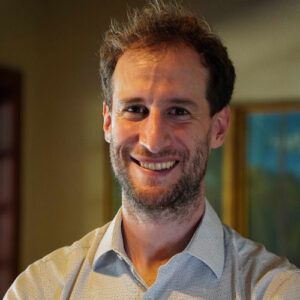
Speaker:
Renato Sviresky
CTO, Mileto Tecnologia
Bachelor in Business @ FGV EAESP, Technology enthusiast, founder of Guigo TV and Mileto, working with streaming for the past 12 years.
Beyond the Prompt – Customizing AI Tools for Content Creation
Artificial intelligence already enables the creation of text, images, videos, and applications from natural-language commands. But a new stage is emerging: the ability to customize and expand these tools to meet the specific needs of professionals, teams, and organizations.
This workshop will present concepts and practical demonstrations of agentic customization, an approach that combines generative AI, intelligent agents, and code-assisted creation to adapt functionalities, automate processes, and develop new solutions within audiovisual production ecosystems. Using real-world examples and resources available on platforms like Google's Flow, the activity will show how content professionals can move beyond simply using ready-made tools and start shaping them according to their objectives, creating experiences, workflows, and applications that are increasingly aligned with their creative and productive demands.
Chair
Márcio Carneiro dos Santos
Coordinator of the SET Working Group on Artificial Intelligence
He holds a Ph.D. from the Graduate Program in Intelligence Technologies and Digital Design (TIDD) at PUC-SP and completed a postdoctoral fellowship at the University of Brasília (UnB) in the field of Communication Theories and Technologies.
He is the Coordinator of the Professional Master’s Program in Communication at the Federal University of Maranhão (UFMA) and a professor in the Department of Social Communication, specializing in Digital Network Journalism. He also directs LABCOM (Media Convergence Laboratory), leads the CNPq Research Group on Technology and Digital Narratives (TECND), and serves as Chief Researcher at the Data Intelligence Center (NID).
He is the Coordinator of the Artificial Intelligence Working Group at SET (Brazilian Society of Television Engineering) and a recipient of the FAPEMA/CNPq State Productivity Research Fellowship.
His research and publications focus on Intelligent Systems Applied to Journalism, Digital Narratives, Generative Artificial Intelligence, Immersive Journalism, Design Science, Network Theory, Social Network Analysis, and Philosophy of Technology.
He received the Adelmo Genro Filho Award from the Brazilian Association of Journalism Researchers (SBPJor) in 2018 and 2022 in the Applied Research category.
2026 Regulatory Agenda
In a pivotal year for the modernization of Brazilian broadcasting, this panel will examine the progress of the 2026 regulatory agenda. The discussion will address key topics such as TV 3.0, spectrum management, broadcasting licenses, licensing procedures, technical requirements, virtual channels, channel allocation, and updates to Brazil’s Basic Distribution Plan (PDB).
Bringing together regulators, industry representatives, and market leaders, the session will provide insights into the regulatory developments shaping the future of broadcasting and audiovisual services in Brazil.
Chair
Francisco Peres
Director of Broadcasting at MediaTech Lab
Graduated in Telecommunications Engineering from Universidade Federal Fluminense, Master in Applied Electromagnetism from PUC-Rio and MBA from FGV. Works on TV3.0 transmission projects, in SET and ABERT working groups that deal with sector regulation and currently leads the transmission and Broadcast area of MediaTech Lab.
Company: MediaTech Lab
Panel 1
Panel 2
Panel 3
Panel 4
The strength of the vertical: new languages, production scale, and social distribution
A discussion on how the 9x16 vertical video format has evolved from mere content adaptation to a central language for discovery, engagement, and consumption. The panel will address how media groups, social platforms, and creators can produce at scale, use AI and automation, preserve editorial identity, and transform the vertical format into a strategy for audience, community, and monetization.
Chair
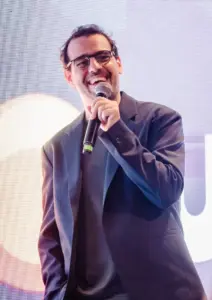
Marcelo Souza
SET Advisor and AdTech Director - Globo
Technology leader for Globo’s digital products including Globoplay, Globosat Play, Premiere Play, Combate Play, Sites Globo.com, G1, Globoesporte, GShow, Cartola. Graduated in electronic engineering and computing at UFRJ, master’s degree in image processing at COPPE/UFRJ, MBA in business management at IBMEC-RJ and specialization course in Leading Product Innovation at Harvard Business School. For 22 years in the media industry, he has worked on digital video transmission projects, implementation of Digital TV in Brazil, TV channel distribution operations and Content Post Production, Strategic Planning, Advertising Technology (ADTECH) and Technology Strategy in Digital Media
Speaker:
Antoine Morel
Director of the UOL Channel, Sports and Entertainment - UOL
With 24 years of experience in media groups, Antoine Morel is a journalist by training and a content strategist forever. He is currently the director of UOL Channel, Sports, and Entertainment at UOL.
TVRO 2.5 Perspectives for Consumers, Broadcasters and the National Industry
The panel will address the evolution of satellite-based free-to-air TV distribution to Brazilian homes and the relevance of this service for consumers, broadcasters, and the national industry. We will share the results of our progress to date and future perspectives with the new connected receiver, which will deliver a better consumer experience and engagement, as well as new monetization opportunities for broadcasters.
Chair
Guilherme Saraiva
Director of Media and Satellite Sales, Claro Empresas | SET Advisor
I am a technology and digital products executive. Over the past few years, I have worked on digital transformation projects, leading initiatives focused on operational efficiency, improving customer experience, creating new revenue streams through digital products, and building partner ecosystems.
I have built my career over 30 years in national and international media and telecommunications companies such as Telecine, Globosat, British Telecom, NET, and Vicom. Throughout this journey, I participated in three company merger processes, actively involved in both the sale and integration phases.
I specialize in product development and management, complex project management, and client relationship management. I hold a degree in Telecommunications Engineering from IME, and MBAs in Marketing and Finance from FGV. I have completed specialization courses in project and process management at PUC and in pricing strategy at IBMEC. I am currently pursuing an MBA in Big Data and Artificial Intelligence at PUC.
Speaker:
TVRO 2.5 Towards the Connected Receiver
Tiago Nunes Tolentino
Regulatory Affairs Executive, Globo
Tiago holds a law degree from Universidade São Judas Tadeu and a postgraduate degree in Social Rights, and has international specializations in Strategy and Innovation. He is a lawyer, a full member of the OAB Commission on Media, Entertainment and Culture, and works as Regulatory Affairs Executive at TV Globo, leading strategies focused on Broadcasting, Digital and Streaming, and is a member of the Promotion Module of the SBTVD Forum.
Speaker:
Evolution of TVRO (Satellite TV)
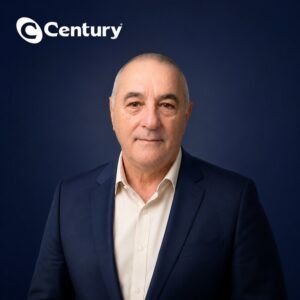
Carlos Ottoboni
Engineering Manager - Century
With a four-decade career in the broadcasting industry, he holds a degree in Electronic Engineering from INATEL and a postgraduate degree in Production Engineering from UFAM. As Head of Product Engineering at Century, he coordinates the development of technologies for receiving signals via satellite and terrestrial transmission.
Speaker:
New Teleport of the Bandeirantes Network
Alexandre Vila
Broadcast Manager for Radio and TV at Grupo Bandeirantes São Paulo
Broadcast industry professional with over 20 years of experience. Holds a technical degree in Electronics from ETEP (São José dos Campos/SP), and an Electrical/Telecom Engineering degree from Fundação Educacional de Barretos/SP. Completed an MBA in Project Management at Mackenzie/SP. Has worked across various segments of the telecommunications industry, including telephony, NET Cable TV, SKY DTH, radio, and television. Played a pivotal role in launching the first private broadcast station in Angola/Africa, serving as Director of Technical and Operational Resources at TV ZIMBO in Luanda.
DTV+ on mobile
Chair
Carlos Fini
Member of the SET board, Consultant CF Tecnologia e Assessoria Ltda
With over 30 years of experience in the media and entertainment market, he is a technology consultant in the segment and has experience in the main technological innovations and business transformations of the last few decades. He worked at TV Globo and its affiliates, participated in the implementation of Digital TV in Brazil, and was the technology director of Grupo RBS. Currently, he actively participates in the sector as a member of the Board of Directors of SET, the Board of SBTVD (Brazilian Terrestrial Digital Television System), president of SET from 2018-2024, and owner of CF Tecnologia e Assessoria Ltda, providing strategic advice and guidance to companies in the sector.
Workshop - Software-Defined Broadcasting in Practice: MXL, DMF, and the Future of Media Infrastructure
This workshop presents, in practice, the concepts of a Software-Defined Broadcaster using the DMF (Dynamic Media Facility) architecture and the MXL (Media eXchange Layer), showing how broadcast infrastructure can evolve from fixed, dedicated-hardware environments to dynamic, open, and software-driven architectures.
The session will demonstrate how MXL can function as a media exchange layer between applications, allowing greater interoperability, flexibility, and integration in IP, cloud, virtualized, and hybrid environments. It will also explore the principles of the DMF architecture and its impact on remote and cloud production, associated costs, AI application, orchestration, and real-time media operation.
Chair
Fabio Acquati
Director of Technology, NGN Telecom
Started his career at Tektronix, as Video System Engineer for South America and, over this period, watched the evolution and transition of video systems, following DTV tests in Brazil from the very beginning. Nowadays, he is Director at NGN Telecom, company he founded to work with monitoring, quality assurance and process automation for Telecom and Video Networks, improving his knowledge in IP networks. He is part of GEIP SET group, video industry training instructor and has studied, along its partners, the technology and the challenges IP video, cloud, workflow orchestration and process automation.
The Age of Fragmentation: Affinity as the New Currency
The panel "The Era of Fragmentation: Affinity as the New Currency" will debate the complex current landscape of media and entertainment in Brazil, where the fragmentation of attention is drastically reshaping distribution and consumption strategies. From the perspective of the Brazilian consumer—historically passionate about video consumption and now firmly established as one of the global audiences spending the most time on social media, digital video, and connected screens—the major challenge is navigating a saturated ecosystem that lacks a clear roadmap. For content distributors, the mission has shifted from exclusivity to ubiquity; this demands flexibility in transitioning between paid models (SVOD) and free, ad-supported formats (AVOD/FAST), as well as the precise use of data to retain an audience that consumes content in a fragmented, non-linear, and highly immediate manner.
From the advertising market's perspective, this dispersion effectively puts an end to old mass-reach formulas. Brands and media buyers in Brazil face the challenge of capturing the attention of an audience that watches multiple pieces of content simultaneously—a trend driving investment toward Connected TV (CTV), retail media (ads on e-commerce platforms), and the creator economy.
This panel will bring together leaders from these three sectors to discuss how to transform this fragmented ecosystem into real engagement opportunities, shaping the future of monetization and video consumption in the domestic market.
Chair
Breno Barcelos
DV360 Product Lead at Google Brasil
An executive with over 13 years of experience in ad tech and digital marketing, offering a unique perspective that spans both the sell side and the buy side of the ecosystem. For the past eight years at Google, he has led product strategy for Display & Video 360 in Brazil, driving ad tech enablement and development for the country’s leading advertisers and agencies. Reinforcing his commitment to market growth, he currently serves as Chair of the Video Committee at IAB Brazil, having also chaired the Programmatic Media and Automation Committee in 2023.
DTV+ Monetization and Applications
Chair
Leonardo Chaves
Coordinator of the TV 3.0 Application Layer Working Group at SET / Media Executive at NTT Data
Leonardo has 20 years of experience in the media and entertainment market and has worked on different projects related to content production and distribution, with a focus on new formats and transmission technologies. In recent years, he has dedicated himself to developing the next generation of TV and new media consumption experiences. He is passionate about the innovation process and seeks to accelerate the adoption of disruptive solutions through the external ecosystem, counting on startups, innovation hubs, centers of excellence and universities. He graduated from the Federal University of Rio de Janeiro, where he also completed a master's degree in Electrical Engineering in 2013. He has an MBA in business management from PUC-Rio and between 2017 and 2020 he was the coordinator of the Technical Module of the Brazilian Digital TV Forum. He is an associate member of SET and IEEE.
Speaker:
Interactivity: The monologue is over!
Carlos Fini
Member of the SET board, Consultant CF Tecnologia e Assessoria Ltda
With over 30 years of experience in the media and entertainment market, he is a technology consultant in the segment and has experience in the main technological innovations and business transformations of the last few decades. He worked at TV Globo and its affiliates, participated in the implementation of Digital TV in Brazil, and was the technology director of Grupo RBS. Currently, he actively participates in the sector as a member of the Board of Directors of SET, the Board of SBTVD (Brazilian Terrestrial Digital Television System), president of SET from 2018-2024, and owner of CF Tecnologia e Assessoria Ltda, providing strategic advice and guidance to companies in the sector.
Audiovisual in Transformation: How to boost investment, innovation, and development in Brazil
Chair
Luizio Felipe Rocha
Executive Director of STRIMA
Lawyer with experience in government affairs and institutional relations, with a background in the private sector as a consultant for companies in the audiovisual and technology industries, advising on legislative and regulatory strategies.
He is currently the Executive Director of STRIMA, an association that represents Disney+, Globoplay, HBO Max, Netflix, and Prime Video in Brazil. His work focuses on institutional dialogue with public authorities and various stakeholders in the audiovisual sector, aiming to support public policies that foster the growth of the audiovisual industry in the country.
Luizio holds an LL.M. from Georgetown University, an MBA in Government Relations from Fundação Getúlio Vargas (FGV), and a Law degree from Instituição Toledo de Ensino (ITE).
Workshop - Software-Defined Broadcasting in Practice: MXL, DMF, and the Future of Media Infrastructure
This workshop presents, in practice, the concepts of a Software-Defined Broadcaster using the DMF (Dynamic Media Facility) architecture and the MXL (Media eXchange Layer), showing how broadcast infrastructure can evolve from fixed, dedicated-hardware environments to dynamic, open, and software-driven architectures.
The session will demonstrate how MXL can function as a media exchange layer between applications, allowing greater interoperability, flexibility, and integration in IP, cloud, virtualized, and hybrid environments. It will also explore the principles of the DMF architecture and its impact on remote and cloud production, associated costs, AI application, orchestration, and real-time media operation.
Chair
Fabio Acquati
Director of Technology, NGN Telecom
Started his career at Tektronix, as Video System Engineer for South America and, over this period, watched the evolution and transition of video systems, following DTV tests in Brazil from the very beginning. Nowadays, he is Director at NGN Telecom, company he founded to work with monitoring, quality assurance and process automation for Telecom and Video Networks, improving his knowledge in IP networks. He is part of GEIP SET group, video industry training instructor and has studied, along its partners, the technology and the challenges IP video, cloud, workflow orchestration and process automation.
Keynote
TV 3.0: How Data, Intelligence, and Relevance Will Redefine Content Production
Chair
Caio Klein
General Director of TVE RS
Electrical Engineer graduated at UFRGS, post-graduated in Business and People Strategic Leadership at ESPM-RS. Initiated his career at RBS, where he worked in many technical functions. Then, for 10 years, Caio was the Technical Director of TVE-RS. In 2005, he returned to RBS to be the Technical Manager of the Group’s radio stations and then being the Operations Executive Manager of RBSTV, where he participated on the coverage of the 2006, 2010, 2014 and 2018 FIFA World Cups, the 2008 and 2012 Summer Olympic Games and the 2006, 2010 and 2017 FIFA World Cup Clubs, events where he was responsible for the RBS Group’s logistic. Nowadays, he is the General Director of TVE RS.
Speaker:
The New Architecture of Broadcasting Stations - From linear broadcast to a hybrid ecosystem of content, data, intelligence, and community.
Marcos Amazonas
CEO, Connect Entretenimento e Educação
Marcos Amazonas is a communications professional and specialist in the strategic implementation of telecommunications, broadcasting, and media operations. He worked on the launch and development of cable TV in Brazil, for channels such as MTV Brasil, ESPN Brasil, and Eurochannel, as well as on projects involving technological integration, programming, and platform expansion. He also created and structured television programs and marketing strategies. Today, he researches the impacts of new technologies on the transformation of broadcasters, data governance, and strategic interactivity—content, advertising, and new experience journeys.
Palestrante
Bruno Guerra
VP of Production - Endemol Shine Brasil
Bruno Guerra, VP of Production at Endemol Shine Brasil, holds a degree in Radio and TV and is pursuing a postgraduate degree in Crisis Management at FAAP.
With over 18 years of experience in audiovisual production, including stints at Rádio Nativa FM, SBT, and TV Bandeirantes, he has expertise and leadership in various formats and genres within the entertainment industry.
At Endemol Shine Brasil, he is responsible for the Production and Post-production department and has direct involvement in leading projects such as MasterChef Brasil, No Limite, and the International Emmy Award-winning The Bridge Brasil.
Intelligent Radio. The new FM regulations and the evolution of RDS.
The revision of Technical Requirements Act No. 8,104/2022 represents one of the most important regulatory movement in FM broadcasting in recent years. The panel will bring together experts directly involved in the technical discussions to show the current stage of the revision, the main topics under analysis, and the expected impacts for broadcasters, manufacturers, engineers, and service providers.
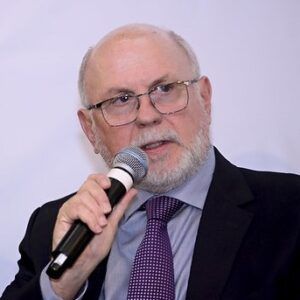
Chair
Eduardo Cappia
SET Board Member and EMC Director
José Eduardo Marti Cappia is an Electrical Engineer, graduated from the University of Mogi das Cruzes in 1979, with specializations in Communications and Electronics. With over four decades of experience in broadcasting, he is recognized for his technical contributions to the AM-to-FM radio migration process in Brazil, spectrum planning, coverage optimization, and the development of radiating systems.
He has been the Director of EMC – Soluções em Telecomunicações since 1991, a company responsible for technical and regulatory projects for radio and television stations throughout the country. He served as Leader of the AESP Technical Committee from 2011 to 2025 and has been the Coordinator of the SET Radio Working Group since its creation, as well as a Full Member of the entity's Board.
Internationally, he is part of the Brazilian Delegation to the ITU-R Study Group 6 in Geneva, participating in technical debates on the global evolution of broadcasting. He also developed international consulting services in antennas, notably working with Shively Labs, and participated in technical events in Mexico, including Broadcast México 2016 and a conference at the Colegio de Profesionistas en Telecomunicaciones A.C. in January 2026, where he received international certification.
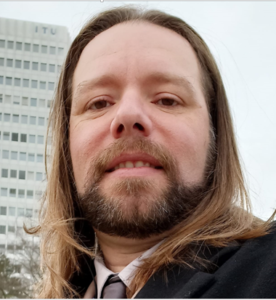
Speaker:
Paulo Eduardo dos Reis Cardoso
Innovation and Broadcasting Systems Coordinator, Anatel
Holds a PhD from DECOM-FEEC-Unicamp (2018) in Digital TV Regulation; Master’s degree in Electrical Engineering (Electronics) from DEMIC-FEEC-Unicamp (2005); and degree in Electrical Engineering from FEEC-Unicamp (2002). He is currently Regulation Expert of the National Telecommunications Agency – Anatel, where he works as Coordinator of Systems and Models of Broadcasting Management, in the Spectrum, Orbit and Broadcasting Management, being responsible for studying, improving and elaborating the Technical Regulation of Broadcasting. , including its technical and operational requirements acts; for accompanying the development of new broadcasting technologies and prospecting the future of broadcasting, including the definitions of its needs; in addition to accompanying the development of the broadcasting modules of the Mosaic System. He is the leader of the Reporting Group of GRR6: Broadcasting, of the Brazilian Communication Commission – CBC2: Radiocommunications, coordinating the group’s international activities, including the coordination of broadcasting service stations in border areas; working mainly in Study Group 6 – SG6 of the International Telecommunication Union – ITU.
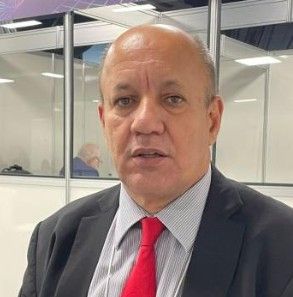
Speaker:
José Mauro Ávila
Technical Director/ Mega Communication System in Ribeirão Preto - SP
Electrical and Occupational Safety Engineer from Universidade Paulista (2008). Electronics Technician from Moura Lacerda Institute (1982).
Active participant in the NAB – Broadcast Engineering Conference since 1992, and a regular speaker at events organized by Brazilian broadcast associations such as AESP, SET, and ABERT. Attended multiple Broadcast Electronics Product Training Seminars focused on Audiovault Administrator/VAR Sales (1999, 2000, 2002, 2006, 2013), and specialized in the Harris HT 35FM transmitter at Harris Corporation in 1991.
Vice Leader of the AESP Technical Committee (2011–2025).
Currently serves as Technical Director at Mega Sistema de Comunicação, contributes to SET’s Radio Working Group, and provides technical support in Brazil for Broadcast Electronics’ automation systems.
Panel 2
Workshop - AI Workflows for Audiovisual Production
This workshop presents how AI can act as an ally in the creative and technical processes of audiovisual production, connecting tools, organizing tasks, and accelerating workflows. Focusing on film, TV, and corporate content, the presentation addresses the use of intelligent agents and integrations via MCP, allowing different programs to communicate with each other to edit, organize materials, automate processes, and increase productivity in post-production. The aim is to show practical ways to use AI in an assistive, creative, and integrated manner, without replacing the professional, but enhancing their capacity for creation, decision-making, and delivery.
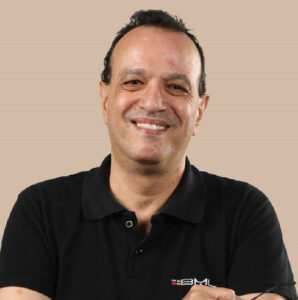
Chair
Fernando Moreira
Coordinator of the SET Working Group on Artificial Intelligence
Fernando Moreira holds a Ph.D. in Communication and is a university professor, researcher, and consultant specializing in audiovisual technology and applied Artificial Intelligence.
With more than 35 years of experience in the audiovisual industry, he has worked extensively in university television, corporate production, technological innovation, professional training, and project management. He served as President of ABTU (Brazilian Association of University Television), founded and directed one of Brazil’s leading university television stations, and has led initiatives focused on integrating AI, broadcasting, education, and emerging audiovisual languages.
He is the founder of Broadcast Media Lab, where he develops innovation projects, professional training programs, and AI solutions for the audiovisual and broadcasting ecosystem.
Fernando is also the Coordinator of the Artificial Intelligence Working Group at SET (Brazilian Society of Television Engineering).
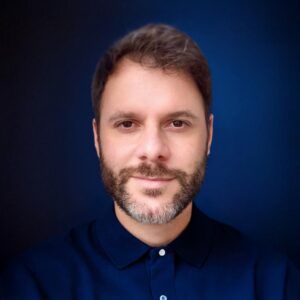
Speaker:
Luis Bechtold
Senior Field Specialist - Adobe Enterprise | Pro Video Team
Luis Bechtold works in Adobe's Enterprise strategic team as a Senior Field Specialist in the area of professional video and post-production, with a focus on broadcast, film, advertising, social media and emerging technologies. With more than 20 years of experience in the Digital Media Industry, Luis works in business development with companies and partners in the audiovisual sector, driving innovation through the use of AI in technologies for the creation and management of digital content.
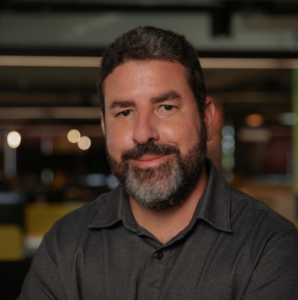
Speaker:
Eduardo Calvet
Director and producer of documentaries, advertising films and virtual reality
Eduardo Calvet holds a Master's degree in Creative Media from the Federal University of Rio de Janeiro (UFRJ) and is a professor at FACHA, having also taught at UFRJ. A director and producer of documentaries, commercials, trailers, and virtual reality projects, he has directed and produced more than a dozen audiovisual works selected for renowned festivals such as the Venice Biennale, Annecy International Animation Film Festival, Rio Festival, São Paulo International Film Festival, and Gramado Film Festival.
At TV Globo, he played a creative role in major promotional campaigns for drama productions and sports programming, contributing to projects that received more than 160 awards, including Clio Awards, One Show, New York Festivals, Golden Ring Awards, and Promax Awards.
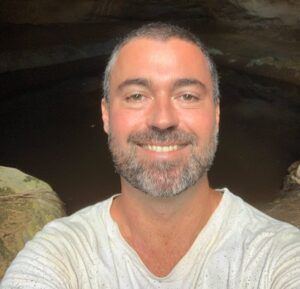
Speaker:
Nelson Porto
Photographer, AI Art Director, XR Specialist
Nelson Porto is an artist, photographer, and specialist in Virtual Reality and Generative Artificial Intelligence applied to the audiovisual industry. Through photography, technology, and immersive storytelling, he explores new forms of creation and interaction with reality.
He participated in the Emmy Award-winning documentary Awavena (2020) and is the co-creator and co-producer of Tinta & Fogo, a virtual reality exhibition about the prehistoric rock paintings of Serra da Capivara, which received Best VR awards at the Laval Virtual and Cinequest festivals.
Since 2019, he has focused on the use of Generative AI in audiovisual production and, since 2023, has dedicated himself full-time to teaching and developing customized AI workflows for the audiovisual industry. His work spans film productions, documentaries, visual mapping projects, and immersive experiences.
His AI-based artistic works have been exhibited at SP–Arte through Bianca Boeckel Gallery and at Brisa Gallery in Lisbon. He also teaches courses, delivers lectures, and conducts workshops on AI, technology, and innovation at events such as Rio2C, Rio Innovation Week, and POW Festival, as well as institutions including Sebrae, Casa Firjan, ECO-UFRJ, MIS-RJ, and the Paraná Audiovisual Industry Association.
Since 2024, he has served as AI Editor at Meio, where he develops AI-driven image and video creation workflows, writes about the subject, and contributes to specialized training programs.
Decoding the Future: VVC, LCEVC and MPEG-H on New Brazilian TV
Why did TV 3.0 choose exactly these three codecs — and not other equally well-known options on the market? In this panel, experts unpack the technical decisions behind VVC, LCEVC, and MPEG-H, and what each one delivers in exchange for the complexity it adds to the system. If you think you already understand DTV+'s codecs, get ready to discover what you haven't been told yet.
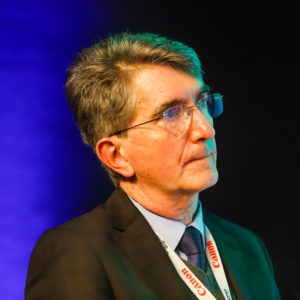
Chair
Sergio Eduardo Di Santoro Bruzetti
Coordinator of the TV 3.0 Working Group at SET | Engineering Planning Advisor - RecordTV
Graduated in Electrical Engineering and Post-Graduate in Accounting and Financial Administration, and in Software Engineering, he has been working in the broadcasting market since 1977, had occupied several positions in the engineering areas of TV Gazeta de SP, SBT and CNT. Currently on Record TV Network, he coordinated the implementation of the terrestrial digital broadcasting systems of its main broadcasting stations and currently coordinates the broadcasting of international sporting events such as the London Olympics 2012, the Sochi Winter Games 2014, the Toronto Pan American Games in 2015, Rio Olympics 2016 and Lima Pan American Games 2019. Now a days, works as an Engineering Planning Advisor.
Acts as a coordinator of the Market Module of the Brazilian Terrestrial Digital TV Forum – SBTVD and advisor to the Television Engineering Society – SET.
Speaker:
Simone Ferrara
SVP, Technology & IP Strategy at V-Nova
Simone Ferrara is SVP of Technology & IP Strategy at V-Nova, a London-based technology company developing hierarchical, compute-aware visual data formats for AI, media and immersive applications. V-Nova's technologies are at the heart of Brazil's DTV+, the world's first national broadcast standard to mandate both MPEG-5 LCEVC and VVC.
At V-Nova, Simone has been central to developing LCEVC - as inventor, researcher, and standardisation lead - and played a key role in the SBTVD Forum engagement that brought both technologies into DTV+. He leads V-Nova's IP and technology strategy, including licensing and standards, as well as AI research and innovation programmes exploring how structured visual data can improve the efficiency of AI training and inference.
Before V-Nova, he held IP roles at Vodafone and leading IP law firms. He holds engineering degrees from Politecnico di Milano and Washington University in St. Louis, and a certificate in IP law from Queen Mary, University of London.
Speaker:
Adrian Murtaza
Chief Technology and Business Development Manager - Fraunhofer IIS
Adrian Murtaza is a researcher and Chief Technology and Business Development Manager at Fraunhofer Institute for Integrated Circuits IIS, where he works in the field of Audio and Media Technologies. His work focuses on immersive and interactive audio systems, audio coding, and the standardization and deployment of next-generation audio technologies, including MPEG-H Audio. He has contributed to international broadcasting and media standards and has been involved in bringing advanced audio technologies to commercial broadcast and streaming applications worldwide.
Speaker:
This talk introduces Versatile Video Coding (VVC, also known as H.266)
Tomás Malheiros Borges
Research / Fraunhofer Heinrich Hertz Institute
Tomás Malheiros Borges received his B.Sc. in Electrical Engineering in 2014, his M.Sc. in Electrical Engineering in 2019, and his Ph.D. in Electrical Engineering in 2025, all from the Universidade de Brasília (UnB), Brasília, Brazil. His doctoral research focused on 3D immersive media processing and compression, rate-distortion optimization, and quality evaluation for augmented reality systems. From 2022 to 2023, he was a Ph.D. Intern with InterDigital, Rennes, France, where he contributed to standardization efforts on 3D mesh coding within the Moving Picture Experts Group (MPEG). Since 2023, he has been a Research Associate with the Multimedia Communications Group at the Fraunhofer Heinrich Hertz Institute (HHI), Berlin, Germany. His research focuses on video compression, immersive media coding, and high-level syntax (HLS) for next-generation video coding standards, with active contributions to the Joint Video Experts Team (JVET) and to the MPEG.
Radio 3.0: digital transformation, innovation, and new business
Radio is currently in a transitional phase where digital transformation is redefining how broadcasters produce content, distribute programming, engage with audiences, and generate revenue. In an increasingly competitive environment defined by constant change, innovation has shifted from being merely an option to becoming an essential driver of growth.
This panel will discuss how the sector can strengthen its competitiveness and create new business opportunities. The agenda will cover topics ranging from technological evolution and radio’s multi-platform presence to the strategic and institutional initiatives driving the development of "Radio 3.0" and its impact on business.
Three renowned industry professionals will join the panel to share their insights on technology, institutional initiatives, and business.
Chair
Marco Túlio Nascimento
Board Member of SET and Director of ZYDigital
Telecommunications Engineer graduated from the Federal Fluminense University and Member of the Deliberative Council of SET. With a career developed in the broadcasting industry, they worked at Sistema Globo de Rádio (Globo Radio System), where they held the position of General Manager of Technology and were responsible for the Engineering, IT, and Operations areas. Currently, they are the director of ZYDIGITAL, a company they founded in 2015. ZYDIGITAL operates in the technology and media market with the goal of contributing to the reinvention of radio, creating a new way of consuming audio, and enhancing the listening experience. The company conducts studies and provides solutions in the areas of radio, streaming, smartphone apps, voice apps, and podcasting. Additionally, ZYDIGITAL maintains the ZYDIGITAL portal, a hub for digital intelligence and innovation. ZYDIGITAL also operates GUIA RÁDIO, a B2B market intelligence and communication platform that brings together all radio stations in Brazil.
Speaker:
Radio: The Invisible Digitalization
Carlos Fini
Member of the SET board, Consultant CF Tecnologia e Assessoria Ltda
With over 30 years of experience in the media and entertainment market, he is a technology consultant in the segment and has experience in the main technological innovations and business transformations of the last few decades. He worked at TV Globo and its affiliates, participated in the implementation of Digital TV in Brazil, and was the technology director of Grupo RBS. Currently, he actively participates in the sector as a member of the Board of Directors of SET, the Board of SBTVD (Brazilian Terrestrial Digital Television System), president of SET from 2018-2024, and owner of CF Tecnologia e Assessoria Ltda, providing strategic advice and guidance to companies in the sector.
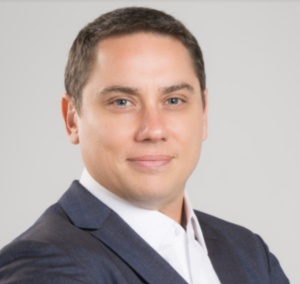
Speaker:
Radio 3.0: the strategic and institutional vision
Cristiano Flôres
Executive President of ABERT
Born in Porto Alegre (RS), Cristiano Reis Lobato Flôres is a lawyer and the general director of ABERT - Brazilian Association of Radio and Television Broadcasters. He holds a degree in Law from Pontifical Catholic University of Rio Grande do Sul (PUC/RS) and a Master's degree in Law from the University of Coimbra (Portugal). He is a member of the following organizations: (i) 4th Chamber of the Ethics Council of CONAR - National Advertising Self-Regulation Council; (ii) Ethics Council of the Executive Council of Standard Norms - CENP; (iii) Implementation Group for the Redistribution and Digitalization of TV and RTV Channels - GIRED; (iv) Implementation Group for 5G (Gaispi); (v) Superior Council of Cinema; (vi) Internet Steering Committee - CGI; (vii) National Executive Commission of the National Forum of the Judiciary Power and Freedom of the Press of the National Council of Justice (CNJ).
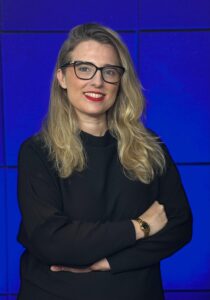
Speaker:
Radio 3.0: From Innovation to Results
Juliana Paiva
Director, Radiodata
Juliana Paiva is the CEO of Radiodata, a company specializing in audio strategy, and a network manager at TMC. A journalist specializing in storytelling and an MBA in Economics, she brings 26 years of experience in the radio industry. She served as Editor-in-Chief of Jovem Pan’s *Jornal da Manhã* and as an editor at CBN. Throughout her career, she has led network expansion projects for Globo, CBN, Transamérica, Antena 1, and Padre Marcelo Rossi, contributing to the launch of over 150 affiliate stations. She has also developed projects for major brands and media groups, such as UOL, CNN, Nova Brasil, Rede Bahia, and Rádio Melodia.
Futurecom: Media Consumption in 2030 – 6G, WiFi X, and the Immersive Media Revolution
How 6G technologies and the evolution of WiFi will transform the media consumption experience in the coming years. This panel brings together telecom and technology leaders to discuss use cases, implementation challenges, and strategies to be prepared for the future of immersive media and its new monetization models.
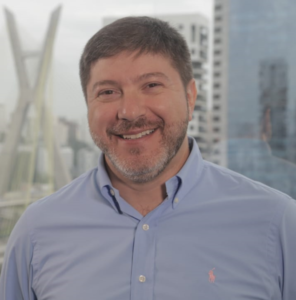
Speaker:
Fernando Gomes de Oliveira
Specialist in Media Convergence, Generative AI, and 5G Broadcast
A national reference in the practical application of AI and 5G/6G networks to the media and entertainment ecosystem, Fernando Gomes de Oliveira brings 35 years of frontline technology experience to SET Expo 2025, where he will be one of the leading voices shaping the future of content creation and distribution.
A Computer Engineer from Poli-USP, Fernando led Brazil’s analog TV signal switch-off through Seja Digital, a landmark project that connected over 90 million Brazilians to the digital world. Prior to that, he held key roles at Irdeto, Skysystem, and Intellicast, deploying content security solutions for major networks across Latin America.
Currently serving as CIO of Intellinet Conectividade Inteligente and VP of Technological Ecosystems at the Smart City Business America Institute, Fernando integrates generative AI, 5G/6G, and cybersecurity to transform audiovisual production chains, OTT platforms, and TV 3.0. He also collaborates with zero1educa, an initiative that trains creators in AI-powered video production, and chairs the Applied AI for Business Committee at I2AI. As a board member of AI Brasil, he advocates for ethical and scalable innovation.
A speaker and moderator at events such as Futurecom, Quantum Week, and Summit Cidades, Fernando bridges traditional broadcast engineering with the new frontiers of intelligent storytelling. In his talks, he demonstrates how generative AI, cloud computing, and 5G Broadcast — one of SET Expo’s central themes — can unlock new revenue streams, personalize user experiences, and enhance content security. His mission: to turn technology into real value for the industry and meaningful experiences for audiences.
Speaker:
Igor Macaubas
Coordinator of the Streaming GT - SET | Director of Product and Engineering, Digital Products, Globo
Igor leads the engineering, product management and operations of Globo's Digital Products - Globoplay, Premiere, G1, GE, Gshow & BBB, just to name a few. Over the past few years, he has managed deliveries that brought millions of users to Globo's Internet platforms, such as Big Brother Brasil, the Olympics, and the World Cup, deliveries that have made Globo internationally recognized for its technical excellence and record digital audiences.
Workshop - AI Workflows for Audiovisual Production
This workshop presents how AI can act as an ally in the creative and technical processes of audiovisual production, connecting tools, organizing tasks, and accelerating workflows. Focusing on film, TV, and corporate content, the presentation addresses the use of intelligent agents and integrations via MCP, allowing different programs to communicate with each other to edit, organize materials, automate processes, and increase productivity in post-production. The aim is to show practical ways to use AI in an assistive, creative, and integrated manner, without replacing the professional, but enhancing their capacity for creation, decision-making, and delivery.
Chair
Fernando Moreira
Coordinator of the SET Working Group on Artificial Intelligence
Fernando Moreira holds a Ph.D. in Communication and is a university professor, researcher, and consultant specializing in audiovisual technology and applied Artificial Intelligence.
With more than 35 years of experience in the audiovisual industry, he has worked extensively in university television, corporate production, technological innovation, professional training, and project management. He served as President of ABTU (Brazilian Association of University Television), founded and directed one of Brazil’s leading university television stations, and has led initiatives focused on integrating AI, broadcasting, education, and emerging audiovisual languages.
He is the founder of Broadcast Media Lab, where he develops innovation projects, professional training programs, and AI solutions for the audiovisual and broadcasting ecosystem.
Fernando is also the Coordinator of the Artificial Intelligence Working Group at SET (Brazilian Society of Television Engineering).
Speaker:
Luis Bechtold
Senior Field Specialist - Adobe Enterprise | Pro Video Team
Luis Bechtold works in Adobe's Enterprise strategic team as a Senior Field Specialist in the area of professional video and post-production, with a focus on broadcast, film, advertising, social media and emerging technologies. With more than 20 years of experience in the Digital Media Industry, Luis works in business development with companies and partners in the audiovisual sector, driving innovation through the use of AI in technologies for the creation and management of digital content.
Speaker:
Eduardo Calvet
Director and producer of documentaries, advertising films and virtual reality
Eduardo Calvet holds a Master's degree in Creative Media from the Federal University of Rio de Janeiro (UFRJ) and is a professor at FACHA, having also taught at UFRJ. A director and producer of documentaries, commercials, trailers, and virtual reality projects, he has directed and produced more than a dozen audiovisual works selected for renowned festivals such as the Venice Biennale, Annecy International Animation Film Festival, Rio Festival, São Paulo International Film Festival, and Gramado Film Festival.
At TV Globo, he played a creative role in major promotional campaigns for drama productions and sports programming, contributing to projects that received more than 160 awards, including Clio Awards, One Show, New York Festivals, Golden Ring Awards, and Promax Awards.
Speaker:
Nelson Porto
Photographer, AI Art Director, XR Specialist
Nelson Porto is an artist, photographer, and specialist in Virtual Reality and Generative Artificial Intelligence applied to the audiovisual industry. Through photography, technology, and immersive storytelling, he explores new forms of creation and interaction with reality.
He participated in the Emmy Award-winning documentary Awavena (2020) and is the co-creator and co-producer of Tinta & Fogo, a virtual reality exhibition about the prehistoric rock paintings of Serra da Capivara, which received Best VR awards at the Laval Virtual and Cinequest festivals.
Since 2019, he has focused on the use of Generative AI in audiovisual production and, since 2023, has dedicated himself full-time to teaching and developing customized AI workflows for the audiovisual industry. His work spans film productions, documentaries, visual mapping projects, and immersive experiences.
His AI-based artistic works have been exhibited at SP–Arte through Bianca Boeckel Gallery and at Brisa Gallery in Lisbon. He also teaches courses, delivers lectures, and conducts workshops on AI, technology, and innovation at events such as Rio2C, Rio Innovation Week, and POW Festival, as well as institutions including Sebrae, Casa Firjan, ECO-UFRJ, MIS-RJ, and the Paraná Audiovisual Industry Association.
Since 2024, he has served as AI Editor at Meio, where he develops AI-driven image and video creation workflows, writes about the subject, and contributes to specialized training programs.
Panel 1
Panel 2
Panel 3
Panel 4
Panel 2
Panel 4
Panel 3
State of the Art in Television
Chair
Cristiano Akamine
Professor and Researcher, Digital TV Laboratory, School of Engineering, Mackenzie Presbyterian University | SBTVD Forum Technical Module
Received the B.Sc.degree from Mackenzie Presbyterian University, Sao Paulo, Brazil, in 1999, and the M.Sc. and Ph.D. degrees from the State University of Campinas, Sao Paulo, in 2004 and 2011, respectively,all in electrical engineering. He is a Professor of Embedded Systems, Software Defined Radio, and Advanced Communication Systems, Mackenzie Presbyterian University. Since 1998, he has been a Researcher with the Digital TV Research Laboratory, Mackenzie Presbyterian University, where he had the opportunity to work with several digital TV systems. His research interests are in SoC for broadcast TV and software defined radio.
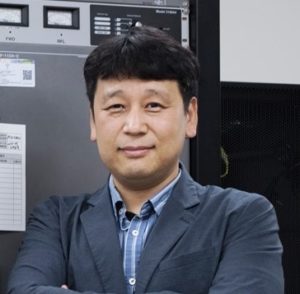
Speaker:
Sung-Ik Park
Principal Researcher & Project Leader - ETRI (Electronics and Telecommunications Research Institute)
Sung-Ik Park (IEEE Fellow) has been with the Broadcasting System Research Group, Electronics and Telecommunication Research Institute (ETRI) since 2002, where he is Project Leader and Principal Member of Research Staff. His research interests are in the area of error correction codes and digital communications, in particular, signal processing for digital television. He has over 300 peer-reviewed journal and conference publications, and multiple best paper and contribution awards for his work on broadcasting technologies. He currently serves as an Associate Editor for the IEEE TRANSACTIONS ON BROADCASTING and ETRI Journal, and a Distinguished Lecturer of the IEEE Broadcasting Technology Society. He also serves as the chairman of the BTS Daejeon chapter and a member of the IEEE BMSB International Steering Committee. He is a recipient of the 2024 ATSC’s Mark Richer Industry Leadership Medal.
The New TV Professional: AI Literacy, Training, and Practical Applications
This panel brings together academics and industry experts to present, discuss, and demonstrate practical applications of Artificial Intelligence in television and across the audiovisual ecosystem. The session will highlight the importance of AI literacy, technical skills development, and continuous training for professionals working in production, engineering, operations, content management, and innovation. Participants will gain insights into real-world use cases, emerging trends, and the competencies required to thrive in an AI-driven media environment.
Chair
Fernando Moreira
Coordinator of the SET Working Group on Artificial Intelligence
Fernando Moreira holds a Ph.D. in Communication and is a university professor, researcher, and consultant specializing in audiovisual technology and applied Artificial Intelligence.
With more than 35 years of experience in the audiovisual industry, he has worked extensively in university television, corporate production, technological innovation, professional training, and project management. He served as President of ABTU (Brazilian Association of University Television), founded and directed one of Brazil’s leading university television stations, and has led initiatives focused on integrating AI, broadcasting, education, and emerging audiovisual languages.
He is the founder of Broadcast Media Lab, where he develops innovation projects, professional training programs, and AI solutions for the audiovisual and broadcasting ecosystem.
Fernando is also the Coordinator of the Artificial Intelligence Working Group at SET (Brazilian Society of Television Engineering).
Speaker:
Eduardo Calvet
Director and producer of documentaries, advertising films and virtual reality
Eduardo Calvet holds a Master's degree in Creative Media from the Federal University of Rio de Janeiro (UFRJ) and is a professor at FACHA, having also taught at UFRJ. A director and producer of documentaries, commercials, trailers, and virtual reality projects, he has directed and produced more than a dozen audiovisual works selected for renowned festivals such as the Venice Biennale, Annecy International Animation Film Festival, Rio Festival, São Paulo International Film Festival, and Gramado Film Festival.
At TV Globo, he played a creative role in major promotional campaigns for drama productions and sports programming, contributing to projects that received more than 160 awards, including Clio Awards, One Show, New York Festivals, Golden Ring Awards, and Promax Awards.
Speaker:
Elmo Francfort
Coordinator of the ABERT Memory Project and director of the Brazilian Museum of Radio and Television.
In addition to being a university professor, he is a screenwriter, researcher, and curator of major exhibitions – both physical and virtual, such as “Radio in Motion” and “Virtual Memorial of Brazilian Broadcasting,” both from ABERT. A leading figure in the field of communication memory, he is the author of books about TV Tupi, Manchete, Gazeta, Cultura, and SBT, totaling more than 90 literary collaborations. Francfort is an art direction consultant for TV and film productions, such as the telenovelas “Garota do Momento,” “Rei da TV,” “Hebe,” “Chacrinha,” and “Marighella.” He has worked for the country's main TV networks, such as Globo, Band, SBT, and Cultura, and radio stations, such as Nativa, Mix, and Rádio Rock.
Speaker:
Cláudio Marcio Magalhães
Coordinator of NERD - Center for Studies of Digital Reality and of the Dânia de Paula Institute
Educator and researcher in the areas of communication, education, and new technologies. He holds a PhD from UFMG and has worked in public and educational communication for over 25 years. He was president of ABTU — the Brazilian Association of University Television, where he currently serves as an advisor. He is the founder and coordinator of NERD — the Center for Studies of Digital Reality, author of books and articles, columnist on communication, education, and technology, and coordinator of the Dânia de Paula Institute.
Who Takes Care of Those Who Inform?
Chair
Cauê Franzon
Executive Manager of TV and Radio Technology, RBSTV
Graduated in Engineering, Master in Production Engineering, Federal University of Rio Grande do Sul, with an MBA in Project Management, FGV. He started his career in TV in 1996. He worked for over 10 years as a technician and support engineer for audio and video systems, coordinated a research group for television products and solutions for 3 years, served as infrastructure and project manager for TV and Radios and currently manages the technology area of RBSTV. He was the leader of several projects such as the remodeling of Rádio Gaúcha, implementation of virtual scenography, modernization and restructuring of productions and exhibitions of the group’s stations in the interior of the state, implementation of IP infrastructure (2110) in the station in Porto Alegre, among others.
Speaker:
Álvaro Bufarah Junior
Coordinator of the Research Group on Radio and Sound Media at Intercom
Journalist with over 30 years of strategic experience in corporate communication, multimedia journalism, university teaching, and research in sound media, with a solid background across business, academic, nonprofit environments, and national and international media outlets. He holds a postdoctoral degree from the Journalism Program at the Federal University of Santa Catarina (UFSC), a PhD in Literature from the Presbyterian University Mackenzie, a Master’s in Communication from Fundação Cásper Líbero (focused on radio and digital media), and specializations in Business Administration (FAAP) and International Politics (FESP-SP).
Panel 3
Core DTV +
Chair
Tom Jones
Business Development Manager na YOUCAST
Responsible for implementing new solutions for digital transmission systems, ISDBT, TV3.0, IPTV, DVBS and OTT. Business Development Manager at YOUCAST.
In addition to developing online courses and technical scientific papers.
Founding member of the ISDBT Forum (Since 2007).
Technical reviewer for SET Magazine.
Master's degree in Digital TV, MBA in Data Science and Postgraduate degree in Project Management.
Contact: [email protected]
Speaker:
The Road to DTV+: Strategies for Implementing integrated Broadcast and Streaming Workflows
Boris Kauffmann
Solutions Architect, LATAM - MediaKind
Boris Kauffmann is a Solutions Architect for LATAM at MediaKind, with over 20 years of experience in the media industry. He was previously Specialist Solutions Architect for Media & Entertainment at AWS, and Solutions Engineer at Imagine Communications, designing IP-based video encoding systems and implementing playout, master control, and routing infrastructure. He holds a Master of Science in Electrical Engineering from Mackenzie Presbyterian University, where he is a PhD candidate researching the transport layer of Brazil's DTV+ system.
Speaker:
Learning through the implementation of 06 DTV+ stations.
Bruno Tariant
Country Manager, Brazil / Enensys Technologies
Bruno Tariant is a sales professional with over twenty-seven years of experience in the TV Broadcast and telecommunications industries. He is currently Head of Sales for Latin America and Country Manager for Brazil at ENENSYS Technologies. For the last 16 months, he’s managing Sales & Operation for ENENSYS where he has participated to several DTV+ Live Project and Proof of Concept deployments for the major Brazilian TV Broadcasters (TV Globo, EAD:SejaDigital, Rede CNT, TV Record, SBT, etc). From 2019 until end of 2024, he was country manager in the US, developing ENENSYS’ business for NextGenTV (ATSC3) and TV Satellite market. Prior to joining ENENSYS, Mr. Tariant was the Sales Director for Latin America and Southeastern US at WITBE, another French Public Software company which is providing a technology to proactively monitor the Quality of Experience (QoE) delivered to end-users of VIDEO services and over any type of networks. As French Citizen, he has started his career in France and he owns a Computer Science Engineering Diploma from INSA Rennes.
Speaker:
Marcelo Blum
Architecture and Technology Manager - Videodata
Sales, Architecture, and Technology Manager at Videodata; an Electronic Engineer with 35 years of experience in broadcast, telecom, and video for broadcast technology, client relations, project management, and partnership development. He is responsible for the design and implementation of numerous projects involving automated playout, digital content archiving, and TV station infrastructure, with a focus on video monetization, DTV+, and AI; he has also been a member of SET for 33 years.