Development and Implementation of TV 3.0
The implementation of TV 3.0 will be a significant milestone in the evolution of terrestrial digital television. This panel will address the next steps in developing this technology and its implementation, highlighting the crucial roles of ANATEL and MCOM in defining technical standards and regulations. Additionally, it will shed light on additional projects and how they can serve as catalysts for transferring TV 3.0 technology and validating use cases. The discussion will cover the technical and regulatory challenges of this evolution, as well as collaboration models among broadcasters, industry, and regulators to ensure the success of TV 3.0.
Chair:
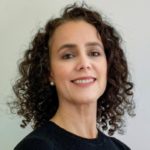
Ana Eliza Faria e Silva,
Senior Manager of Technology Regulatory, Globo
Ana Eliza is a senior regulatory manager in the strategy and technology department at Globo. With 25 years of career experience, she has led numerous innovative projects in digital content distribution and played a prominent role in various stages of Globo's analog-to-digital transition and the industry as a whole. She is actively involved in various technical media organizations, such as the Brazilian Society of Television Engineering and the Brazilian Digital TV System Forum. Ana Eliza has held various management positions in the telecommunications field, has been contributing to ITU activities for two decades, and has been actively participating in World Radiocommunication Conferences since 2007. She holds a master's degree in Video Compression from UNICAMP, an MBA in Management, and an MBA in Telecommunications.
Speaker:
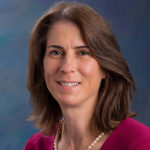
Madeleine Noland,
President of ATSC, The Broadcast Standards Association
A 20-year industry veteran who is widely respected for her consensus-building leadership style, she chaired the technology group that oversees the ATSC 3.0 next-generation broadcast standard before being named ATSC President in May 2019. Previously, she chaired various ATSC 3.0-related specialist groups, ad hoc groups and implementation teams since 2012.
Noland began her career in the television industry in 2004 with Backchannelmedia Inc., an interactive television technology developer. It was during her work there that she first became involved in ATSC projects. In 2012, she moved on to product and project management roles at Telvue Corp. before joining LG Electronics CTO’s office in 2013. Noland represented LG in a variety of industry organizations for over six years.
Most recently, Madeleine was awarded the prestigious 2022 David Sarnoff Medal by the Society of Motion Picture & Television Engineers (SMPTE) in a ceremony held in Hollywood, California. She has also received TV NewsCheck’s “2019 Futurist” Women in Technology Award and was named one of 2018’s “Powerful Women in Consumer Technology” by Dealerscope magazine. In 2016, while the Chair of TG-3, she received the ATSC’s highest technical honor, the Bernard J. Lechner Outstanding Contributor Award recognizing her leadership related to the development of ATSC 3.0 Next Gen TV.
Credited on three U.S. patents for television technology, Noland is a member of the Society of Motion Picture and Television Engineers, the Society of Cable Telecommunications Engineers, and the Institute of Electrical and Electronics Engineers – Broadcast Technology Society. Noland graduated cum laude from the University of Massachusetts. She enjoys travel, and she plays keyboards in a band called “Brave Pursuit.”